Agropur Is Selling 133-Year-Old Oka Cheese to Lactalis. When 'Profitable' Stops Being a Reason to Keep a Brand
Agropur is selling its Oka fine cheese business to Lactalis, and the brand it is letting go is profitable. Here is why a small, profitable brand has become a sell signal in mature dairy, and what it means for operators, investors and strategic buyers.
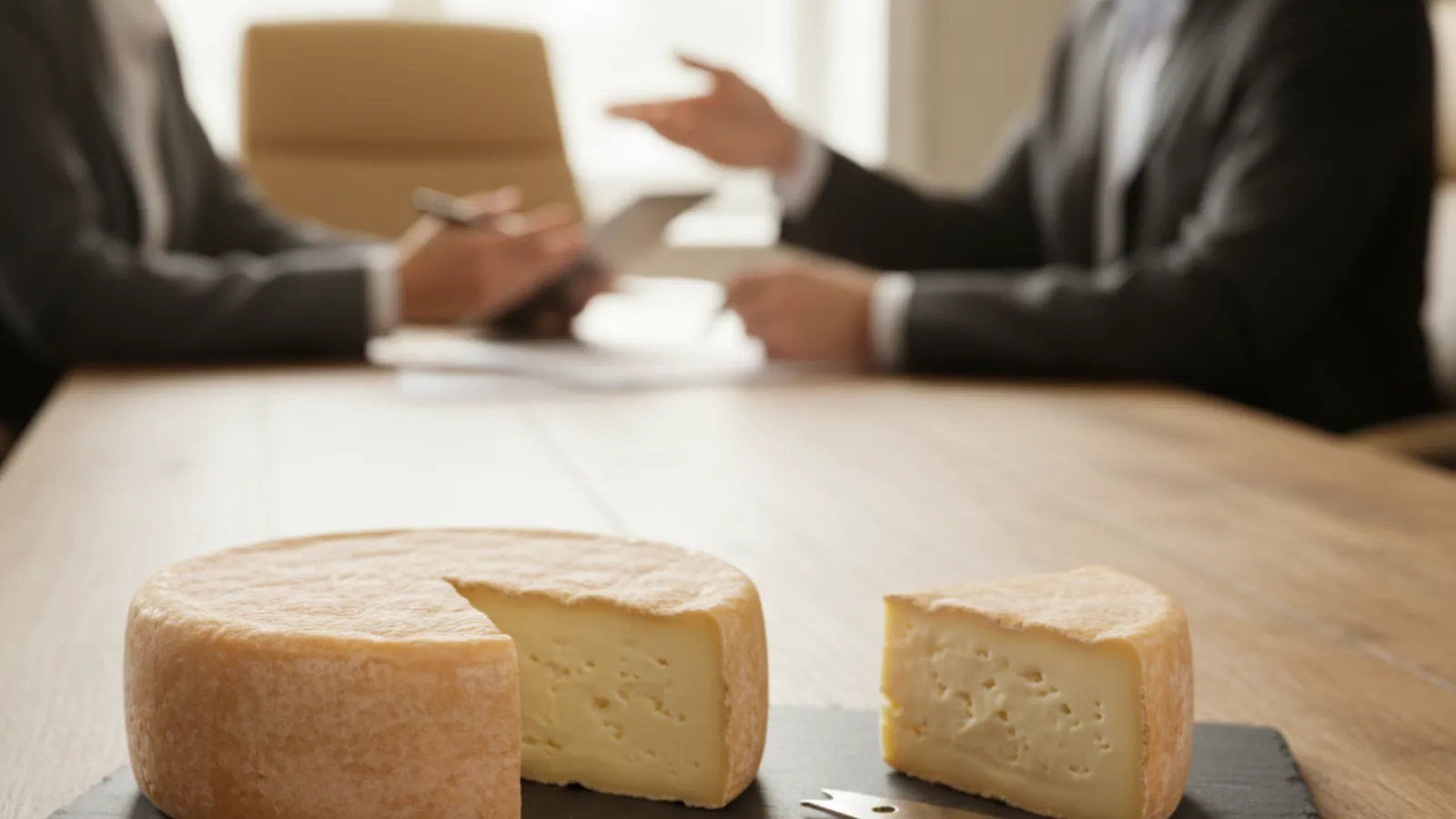
A cheese recipe that once saved a monastery from ruin is changing hands for only the second time in 133 years. On 15 July, Canada's largest dairy co-op, Agropur, agreed to sell its fine cheese business, including the Oka brand, to Lactalis. A small unit getting sold is routine. This one was profitable, and it still got sold.
The deal covers three Quebec brands, Oka, Monsieur Gustav and L'Extra, two plants, and Agropur's fine cheese import work. Terms were not disclosed, and regulators still have to sign off. Agropur was blunt about why it is letting go. The fine cheese business makes money, but it is small. It is about 2% of the co-op's revenue and uses about 2% of the milk its Canadian plants process.
The brand that saved a monastery
Oka is not an ordinary label. A Trappist monk, Brother Alphonse Juin, created it in 1893 to help keep a struggling Quebec monastery afloat. The monks sold the recipe to Agropur in 1981, and for 45 years it has been a piece of Canadian food heritage. None of that history was enough to keep it in the portfolio. Sentiment lost to strategy.
Why a profitable brand becomes a sell candidate
Here is the logic that matters for every operator. Milk is Agropur's scarcest input, and its cash and management time are limited too. A brand that earns a profit can still be the wrong one to keep if it is small, sitting off to the side of the main plan, and quietly using resources the core needs more.
Agropur, which posted CA$8.9bn in revenue in 2025, has said it wants to focus on higher-growth areas like protein and dairy ingredients, where rising demand has been driving its growth. Fine cheese, for all its charm, was not where the co-op saw its next decade. So it freed the milk, the plants and the attention, and handed the brands to a buyer that wants them more.
Lactalis keeps buying the pieces others prune
That buyer is the biggest dairy company on earth. Lactalis, the French family firm behind President and Galbani, reported EUR 31.2bn in revenue in 2025, up 2.9%. In Canada it already owns Black Diamond, Balderson, iogo and the licensed Cracker Barrel brand. Adding Oka tightens its grip on the Canadian cheese aisle.
This is a pattern, not a one-off. Only months earlier, Lactalis folded in General Mills' US yogurt business, worth about $1.2bn in sales. Lactalis grows by buying the brands that no longer fit someone else's plan and bolting them onto its own scale. A line that drags inside a mid-sized co-op can add margin inside a EUR 31bn machine with national distribution behind it. The bigger Lactalis gets in Canadian cheese, the closer regulators will look, so approval is not a formality.
What core really means when milk is scarce
Strategic buyers took about three-quarters of the food and drink deals done last year, and this one shows why. Large owners are trimming to a tighter core, and the pieces they cut go to the natural owner who can run them best. A profitable-but-small brand is now a sell signal. For a co-op that answers to farmer members, freeing scarce milk for higher-value uses is easier to defend than holding a heritage label out of pride.
For operators, the message is to weigh each part of the business by strategic fit and by the scarce resources it ties up, alongside the profit it earns. For private equity and strategic buyers, the carve-out pipeline from co-ops and Big Food is real and worth watching, because heritage brands with strong regional loyalty are quietly coming up for sale. The dairy makers that will win the next decade are the ones with the nerve to sell a beloved brand while they still choose the timing. Holding on out of sentiment is the more expensive mistake.

Global Aseptic Packaging Market Report 2026
148.4bn litres and 344bn packs in 2025. Aseptic volumes across dairy, dairy alternatives, beverages and food in 39 markets — 2025 actuals and forecasts to 2030. Buy online and receive it within 24 hours.
More information
Global Cheese Database 2026
Production, imports, exports and consumption for 39 cheese types across 48 countries, with actuals through 2025 and forecasts to 2030. Join the waitlist for early access, pre-launch pricing and a free sample country chapter.
Get early accessStrategic Insights
📊 Analytics & Strategic Insight
In mature dairy, a brand that is profitable but small and off-strategy has become a sell signal, and the scale players are waiting to buy
The decision most in this industry are avoiding:
👉 Profitable does not mean worth keeping. A brand can earn money and still drain the milk, cash and management time your core growth needs more.
👉 Heritage makes buyers pay up. On its own, it is a weak reason to hold, because strong regional loyalty is exactly what makes a brand easy to sell.
👉 The buyer's core is your non-core. A line that drags in a mid-sized portfolio can add margin inside a giant with national scale behind it.
Here's the full context:
→ 1893: A Trappist monk creates Oka cheese to help save a struggling Quebec monastery.
→ 1981: The monks sell the Oka recipe to the Agropur co-op, and it grows into a Canadian staple.
→ 2020-2025: Lactalis builds Canadian scale with brands like iogo and the Cracker Barrel licence, and in the US absorbs General Mills' ~$1.2bn yogurt business.
→ 2025: Agropur posts CA$8.9bn in revenue and signals a focus on higher-growth protein and ingredients.
→ Most recent: On 15 July 2026, Agropur agrees to sell its fine cheese business, including Oka, to Lactalis, a unit worth about 2% of its revenue.
What this means for food and beverage operators and investors:
✅ Rank your portfolio by fit and resource use as well as profit. A profitable line that starves the core is still a divestiture candidate.
✅ Sell to the natural owner. A focused buyer with scale usually pays more and runs the brand better than you can at sub-scale.
✅ Watch the co-op and Big Food carve-out pipeline. Strategic buyers took about three-quarters of last year's deals, and heritage brands are coming loose.
3 moves you can make this week:
1️⃣ Map each brand against your scarce input. List every product by the profit it earns and the capacity, cash and attention it uses, then flag the mismatches.
2️⃣ Name your true core. Write down the two or three areas you will fund for growth, and treat everything else as a candidate to sell or fix.
3️⃣ Build a buyer shortlist for your non-core. For each unit you might exit, name the players who would value it most, before you need to sell.
Take the Next Step
🎯 This is the thinking we bring to client projects.
If today's topic touches a decision on your desk this quarter, start the conversation before the window closes.
→ Start the conversation
Zenith Consulting
Submit your food & beverage project enquiry.
Share your requirements. If there is a strong fit, we’ll come back with an indicative investment range, project timeline and recommended strategic approach.
Reviewed by Zenith Consulting’s senior food & beverage strategy team.
Related analyses
- M&A, Investment & Valuation
Parmigiano Reggiano Takes On Australian Parmesan: The EU Trade Deal Protected 53 Cheese Names And Left Parmesan Out
The Parmigiano Reggiano Consortium has opened a three-year campaign in Australia, where cheese output runs at 455,000 tonnes a year. Australia agreed to protect 53 EU cheese names, and parmesan is not one of them.
Read analysis → - M&A, Investment & Valuation
Parmigiano Reggiano Takes On Australian Parmesan: The EU Trade Deal Protected 53 Cheese Names And Left Parmesan Out
The Parmigiano Reggiano Consortium has opened a three-year campaign in Australia, where cheese output runs at 455,000 tonnes a year. Australia agreed to protect 53 EU cheese names, and parmesan is not one of them.
Read analysis → - M&A, Investment & Valuation
Müller Closes Sachsenmilch Semi-Hard Cheese Dairy At Leppersdorf: Mozzarella And Acid Curd Lines Stay
Müller will close the semi-hard cheese dairy at Sachsenmilch Leppersdorf on 31 December 2026, with about 160 staff affected. Mozzarella and acid curd cheese carry on at a site that takes 1.7 billion kg of milk a year.
Read analysis →
Share it with your peers
Pass this analysis to colleagues who track the food and beverage market.
Zenith Market Intel
Need a specific food or beverage market report?
Tell us which category, region or question would be useful for your team.
Sister Publication
Also follow our Water Dispense Market Intelligence
Category analyses, operator briefings, and investor signals across the global water dispense market.