Why Heineken, Conagra and Hershey Are All Replacing CEOs at Once
Roughly a third of the world's 50 largest consumer companies changed chief executive in 2025, and 2026 is accelerating — Heineken, Conagra and Hershey all lose their CEOs within weeks of each other. The departures look unconnected, but the boards behind them are firing for the same structural reason: the end of pricing-power growth.

The most dangerous job in consumer goods right now is not running a fragile startup. It is running one of the world's largest food and drink companies. Among the 50 biggest consumer-product firms, roughly 15 changed chief executive during 2025 — about 30%, well above the wider market — and that churn has made consumer goods the shortest-tenure sector for CEOs in recent years. Boards that once handed chief executives the better part of a decade to deliver are now measuring them in quarters.
The next thirty days make the point in person. Heineken's Dolf van den Brink steps down on 31 May after about six years in the top job and 28 at the company; Conagra's Sean Connolly leaves the same day after a decade in which the share price fell sharply; Hershey's Michele Buck retires on 30 June after nearly nine years. Three of the most recognisable names in food and beverage will change hands inside a single month — and the timing is not a coincidence.
What the boards actually want
The common thread is not scandal. It is the end of the pricing-power era. Through the inflation of 2021 to 2023, Big Food could raise prices and book the result as growth; volumes were flat or falling, but revenue still climbed. That trick has run out. Shoppers have traded down to private label, GLP-1 weight-loss drugs are reshaping appetite and basket size, and health and regulatory pressure is squeezing core categories from confectionery to soft drinks. The reckoning is really a referendum on one question: can this company still grow when it can no longer raise prices? Most incumbent CEOs built their careers on the opposite skill.
The replacements tell the story
Where boards look for successors is the real signal. Around a third of new consumer-goods chief executives last year were hired from outside the company, many with explicit turnaround records. Some boards have gone further and reinstalled former leaders who ran the business in its growth years — Jim Koch back at Boston Beer, Joe Scalzo at Simply Good Foods, Jeffrey Ettinger at Hormel. Nestlé's reset under Philipp Navratil, with 16,000 jobs cut and its ice cream and water arms carved out, is the template others are now being hired to copy. Boards are no longer recruiting brand stewards; they are recruiting operators with a mandate to cut, refocus and rebuild volume.
This is a strategy signal, not an HR story
Each leadership change is a portfolio decision waiting to happen. A new chief executive arrives with a rare licence to take write-downs, exit categories and announce the deals a predecessor spent years avoiding — all of it framed as cleaning up an inheritance. Every new Big Food CEO is a divestiture, an acquisition or a restructuring that has not been announced yet. The incoming Heineken boss inherits a beer slump alongside a fast-growing no-alcohol business that needs capital; Hershey's successor inherits a cocoa-cost crisis; Conagra's John Brase inherits a portfolio under private-label siege. For M&A advisers and private equity, the leadership map has quietly become a deal pipeline.
Looking ahead
None of this reverses in 2026. With consumer goods the shortest-tenure sector and boards now rewarding decisiveness over patience, expect more exits, more outsider hires, and more portfolios reshaped inside a new chief executive's first hundred days. The companies that can prove they grow on volume rather than price will keep their leaders and their valuations; the ones that cannot will keep changing both. For operators, investors and buyers, the smartest move is to read the org chart as a strategy document — because the next wave of asset sales and acquisitions will be signed by chief executives who do not yet have their feet under the desk.
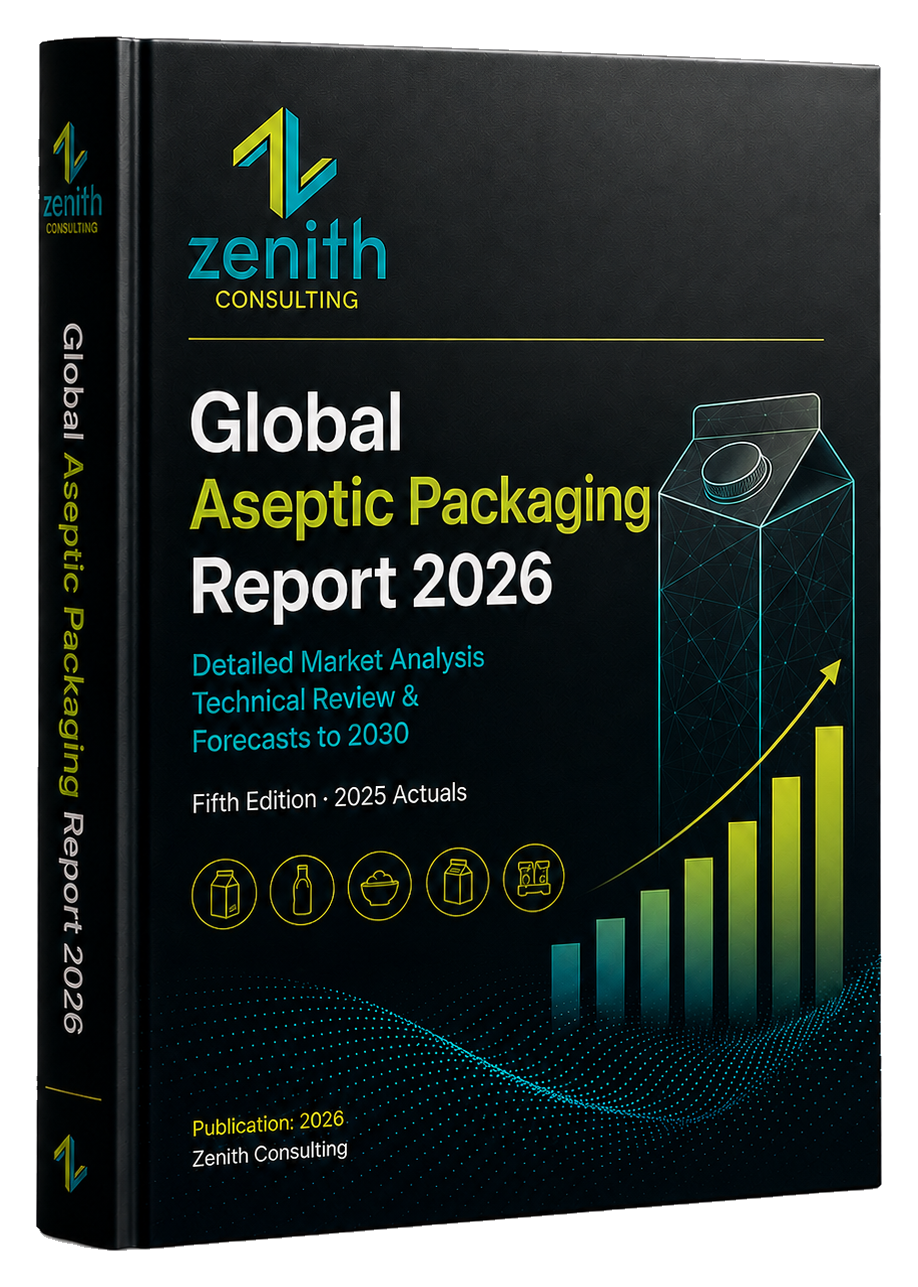
Global Aseptic Packaging Market Report 2026
148.4bn litres and 344bn packs in 2025. Aseptic volumes across dairy, dairy alternatives, beverages and food in 39 markets — 2025 actuals and forecasts to 2030. Buy online and receive it within 24 hours.
More information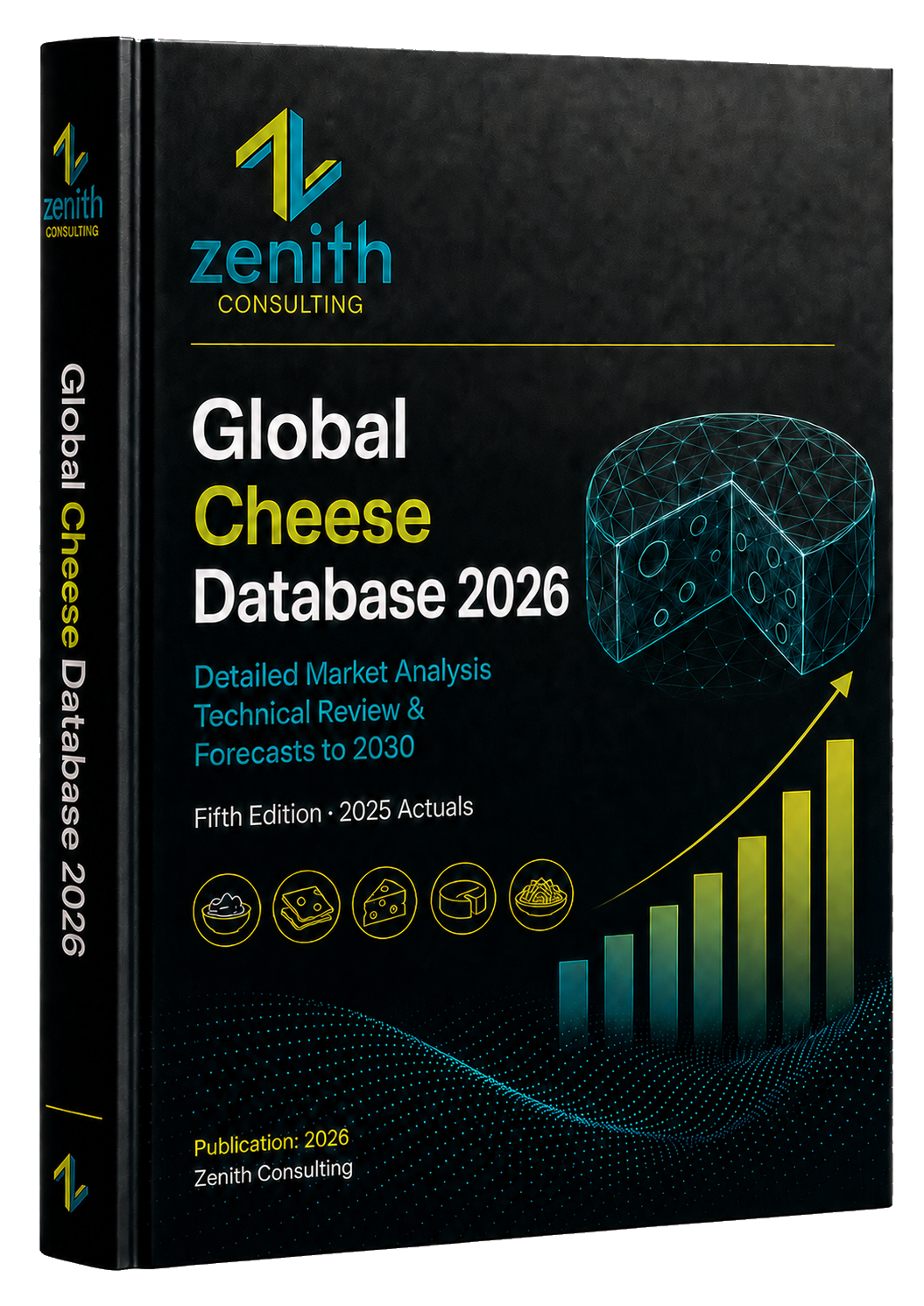
Global Cheese Database 2026
Production, imports, exports and consumption for 39 cheese types across 48 countries, with actuals through 2025 and forecasts to 2030. Join the waitlist for early access, pre-launch pricing and a free sample country chapter.
Get early accessStrategic Insights
📊 Analytics & Strategic Insight
The org chart is the new deal pipeline — and most investors are reading it too late
The decision most in this industry are avoiding:
👉 Treating CEO churn as governance noise instead of a leading indicator. Most read a leadership change as instability to wait out. It is actually the earliest and cheapest signal of which portfolios are about to be broken up and which categories are about to be sold.
👉 Assuming the outsider-turnaround hire is automatically bullish. An external CEO with a fix-it record usually means the board has concluded the current strategy cannot be repaired from inside — so the first year is impairments and exits, not a growth re-rating.
👉 Confusing tenure stability with strength. A long-serving chief executive in a low-volume category can be the bigger risk. In 2026, continuity is too often a euphemism for structural decline that no one has been forced to confront.
Here's the full context:
→ 2021–2023: Inflation hands Big Food historic pricing power; revenue grows while volumes stall, masking a deeper growth problem behind strong headline numbers.
→ 2024–2025: Pricing power fades as private label, GLP-1 drugs and health regulation hit volumes. Around 15 of the 50 largest consumer companies change CEO in 2025 (~30%), making consumer the shortest-tenure sector.
→ January 2026: Heineken announces Dolf van den Brink will step down on 31 May amid a beer-sales slump; the supervisory board opens a successor search and finds no internal heir ready.
→ Early 2026: Conagra confirms Sean Connolly's 31 May exit after a decade of share-price decline, with John Brase taking over on 1 June; Hershey sets Michele Buck's retirement for 30 June.
→ Most recent: Trade analysis in May 2026 frames the wave as a structural pattern, not isolated events — boards openly out of patience, hiring turnaround operators and even reinstalling former chiefs (Koch, Scalzo, Ettinger).
What this means for food and beverage operators and investors:
✅ Map leadership transitions to deal probability. A new outsider CEO inside the first 12 months is one of the strongest non-financial predictors of a divestiture or major restructuring. Turn the transition calendar into a watchlist before the announcements land.
✅ Underwrite the strategy, not the person. When backing, buying or competing with a company mid-transition, assume the incoming chief executive will reset guidance low, take impairments early and reshape the portfolio. Model the reset, not the legacy plan.
✅ Volume is the new scoreboard. Companies that can show organic volume growth without price increases will command a premium; price-dependent growth stories will keep losing both their CEOs and their multiple.
3 moves you can make this week:
1️⃣ Build a CEO-transition watchlist. List the priority food and beverage names with leaders departing or inside their first 18 months, and flag the categories within each that are most exposed to a divestiture.
2️⃣ Run a price-versus-volume diagnostic. Split your own — or a target's — last eight quarters of growth into price-led and volume-led. If price did the heavy lifting, treat it as a live leadership-risk flag, not a win.
3️⃣ Lock terms before the first strategy review. If you sell into or partner with a company mid-transition, agree commercial terms before the new chief executive's opening review — the window for favourable deals narrows the moment the reset is announced.
Take the Next Step
♻️ Looking for a high-growth investment in sustainable beverage technology?
An iF Design Award-winning, IoT-enabled product line solving the single-use plastic crisis from the inside — designed for the home and B2B market. Strong structural tailwinds as plastic regulations tighten across Europe.
→ Request the investor deck: info@zenithglobalcommercial.com
Zenith Consulting
Submit your food & beverage project enquiry.
Share your requirements. If there is a strong fit, we’ll come back with an indicative investment range, project timeline and recommended strategic approach.
Reviewed by Zenith Consulting’s senior food & beverage strategy team.
Related analyses
- Corporate Strategy & Portfolio
Oji Liquid Pak's USD 110 Million Vietnam Aseptic Carton Plant Adds 8 Billion Packs To A Region Already At 62 Billion
Oji Liquid Pak broke ground on a USD 110 million aseptic carton material plant in Dong Nai, rated at up to 8 billion packs a year from 2028. Zenith puts Vietnam at 10,358.7 million aseptic packs in 2025, and South East Asia already holds about 62 billion packs of documented converting capacity.
Read analysis → - Corporate Strategy & Portfolio
Spain Swaps HDPE Milk Bottles For Aseptic PET: 170 Million Litres Left And Only Three Aseptic PET Dairy Lines
Spanish UHT milk in large HDPE bottles fell from 307 million litres in 2020 to 170 million in 2025, and Zenith's model takes it to 88.5 million by 2030. Aseptic PET is taking the volume, and only three aseptic PET dairy lines have been documented in the country.
Read analysis → - Corporate Strategy & Portfolio
US Parmesan Output Jumps 25.9% While Cheddar Slips: Italian Cheese Takes Four In Five Pounds Of Growth
USDA figures published on 5 October show US Parmesan output up 25.9% in August while cheddar fell 0.9%. Italian types have supplied nearly four in every five pounds of US cheese growth so far in 2026.
Read analysis →
Share it with your peers
Pass this analysis to colleagues who track the food and beverage market.
Zenith Market Intel
Need a specific food or beverage market report?
Tell us which category, region or question would be useful for your team.
Sister Publication
Also follow our Water Dispense Market Intelligence
Category analyses, operator briefings, and investor signals across the global water dispense market.