Canada Blocks Nortera's Green Giant Deal: B&G Foods Priced the Brands at $5m and Still Cannot Exit
B&G Foods agreed to sell Green Giant and Le Sieur in Canada for the value of stock plus $5 million, and Canada's Competition Bureau has asked the Tribunal to block it. The case shows what happens when a food group's only credible buyer is the one rival a watchdog will never wave through.
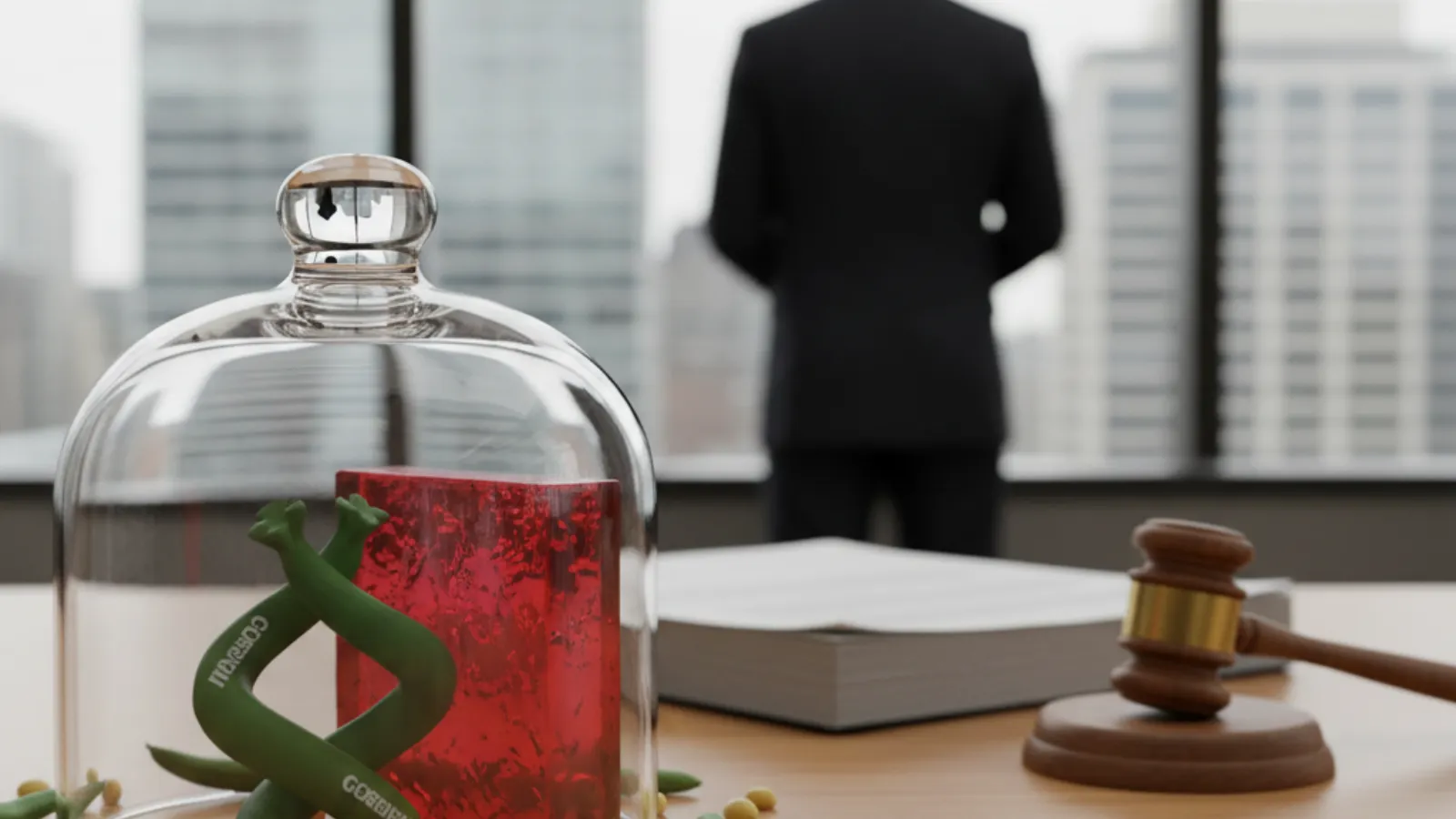
B&G Foods agreed to sell two household vegetable brands in Canada for the value of its stock plus $5 million. On 19 August 2026 Canada's Competition Bureau asked the Competition Tribunal to stop the sale. The watchdog says a brand its own owner priced at $5 million is holding grocery prices down. That gap is the whole story.
The deal was signed on 24 October 2025. Nortera Foods would take the Green Giant and Le Sieur canned and frozen lines from B&G Foods Canada. The price was set at the value of stock transferred at closing plus $5.0 million. B&G told the market that on 27 September 2025 the total would have been about $60.0 million. Nearly all of that is tins and frozen packs. The two names themselves carry a $5 million tag.
The buyer already makes the product
The Bureau's own briefing note holds the sharpest line in the file. Nortera already processes most of B&G's vegetable products in Canada. The plants, the growers and the packing lines are shared today. What still competes is the label on the tin. B&G buys from Nortera, then fights Nortera for shelf space at the same grocers.
That is an odd business to own. It is an odder one to sell. Hand over the making and you are left with a name, a price list and a sales team. A name has one likely buyer: the firm that already runs the line.
A $5 million brand the market cannot lose
Green Giant Canada is growing. B&G reported net sales of $23.4 million for the brand in the second quarter of 2026. That was up 2.4% on the year before. It grew while the rest of the group shrank. Group net sales fell 9.7% to $383.3 million, mostly because of what B&G had already sold.
So a growing brand carried a $5 million price, and the watchdog says the market cannot lose it. Both readings are true at once. To B&G the brand throws off little cash. It buys stock from a rival, then pays a sales team to fight that rival. To Canadian grocers it is the only other name on the shelf.
The exit is the part nobody plans
B&G has spent two years shrinking. It sold the Green Giant US frozen line to Seneca Foods on 2 March 2026. That booked a $36.3 million loss. It sold Le Sueur US and Don Pepino. It halved the dividend. Its newest bonds pay 11.00%. Every one of those moves needs a sale to close.
The last sale in a shrinking plan is the one the seller does not control. Buying is easy to time. Selling is much harder. In a market with heavy plants, thin margins and one big packer, the buyer list is short. Often it holds one name. That name is the one a watchdog will refuse.
What the Tribunal decides next
The Bureau asked for two things. Under section 104 it wants an order that stops the parties closing while the case runs. Under section 92 it wants the deal blocked for good. The Tribunal sets its own pace, so no one can say how long this takes. B&G said it does not agree with the Bureau and is weighing a few options with Nortera. The sale had been due to close in the third quarter of this year.
Nortera's defence is about supply rather than price. It says cheap imports are squeezing Canadian growing and packing. It says the deal protects farms and the food supply at home. The Bureau's reply is that entry here is hard, so no fresh rival will arrive. Merger law is built for markets that grow, and it has no clean answer for one that shrinks.
For a food or drink group, the read is simple. Name the buyer for each part of your business before you need one. Then ask whether that buyer would ever be allowed to bid. If the answer is one name, and that name is your largest rival, you do not hold an exit. You hold a hope. Plants close in the markets where no one is allowed to merge. Canadian growers may learn that before Canadian shoppers do.

Global Aseptic Packaging Market Report 2026
148.4bn litres and 344bn packs in 2025. Aseptic volumes across dairy, dairy alternatives, beverages and food in 39 markets — 2025 actuals and forecasts to 2030. Buy online and receive it within 24 hours.
More information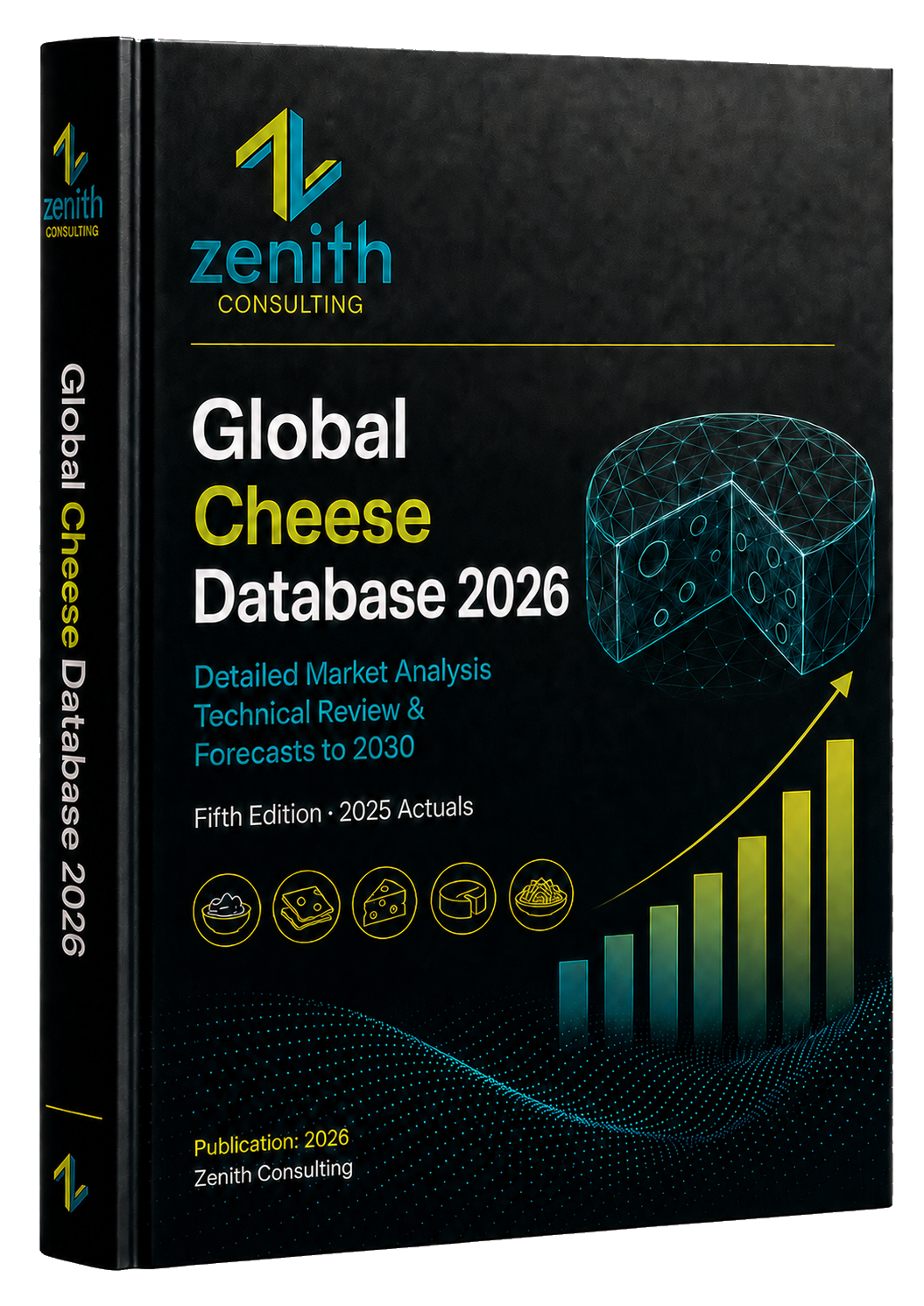
Global Cheese Database 2026
Production, imports, exports and consumption for 39 cheese types across 48 countries, with actuals through 2025 and forecasts to 2030. Join the waitlist for early access, pre-launch pricing and a free sample country chapter.
Get early accessStrategic Insights
📊 Analytics & Strategic Insight
The exit problem: one buyer, and the state says no
The decision most in this industry are avoiding:
👉 Sending your making to your only rival leaves you holding a label. B&G buys its Canadian tins from Nortera, then fights Nortera for the same shelf. When the crop, the plant and the packing sit with one firm, only the brand is left to sell. And it has one buyer.
👉 A low price does not make a sale easy to clear. Merger law weighs what the market loses, never what the seller gets. Nortera would pay $5 million above stock. The Bureau still reads the deal as the loss of the only other brand on the shelf.
👉 Most exit plans name a price and skip the buyer. Boards test whether a line is worth keeping. Far fewer test who is allowed to buy it, in which country, and under which watchdog. That test is free and takes an afternoon.
Here's the full context:
→ 2022: Bonduelle sells 65% of its North American long-life arm to two Quebec funds. The business is renamed Nortera, with 13 plants and about 3,000 staff.
→ October 2025: B&G Foods agrees to sell Green Giant and Le Sieur in Canada to Nortera. The price is the value of stock plus $5.0 million.
→ March 2026: B&G sells the Green Giant US frozen line to Seneca Foods and books a $36.3 million loss.
→ Q2 2026: Group net sales fall 9.7% to $383.3 million. Green Giant Canada rises 2.4% to $23.4 million and waits on the sale.
→ Most recent: On 19 August 2026 the Competition Bureau asks the Tribunal to block the deal. It also asks for an order stopping the parties closing.
What this means for food and beverage operators and investors:
✅ Price your exits when you build the plan. A line you cannot sell is a line you must fund or shut. Both cost more than a sale, and both land on the same board.
✅ A supply deal with a rival is a slow merger. Each year you buy from them, more of the value sits in their hands. The watchdog sees the last step. It rarely sees the first ten.
✅ Watch for plant closures in the aisles where mergers get refused. If no one may buy, weak owners shut lines instead. Growers and packers feel that before shoppers do.
3 moves you can make this week:
1️⃣ List the buyers for your three weakest lines. Write the names down. If any line has fewer than three, you own it for good. Plan the cash that way.
2️⃣ Check who makes what you sell. Mark every line where the maker is also a rival. Those are the ones where your only asset is the label.
3️⃣ Read the Bureau's briefing note on this case. It sets out how a watchdog reads a shrinking market. Use the same test on your own next deal before the lawyers do.
Take the Next Step
🧭 Got a project in mind?
Send us your thoughts and project requirements and our consultants will build you a project plan.
→ Start a project enquiry
Zenith Consulting
Submit your food & beverage project enquiry.
Share your requirements. If there is a strong fit, we’ll come back with an indicative investment range, project timeline and recommended strategic approach.
Reviewed by Zenith Consulting’s senior food & beverage strategy team.
Related analyses
- M&A, Investment & Valuation
Parmigiano Reggiano Takes On Australian Parmesan: The EU Trade Deal Protected 53 Cheese Names And Left Parmesan Out
The Parmigiano Reggiano Consortium has opened a three-year campaign in Australia, where cheese output runs at 455,000 tonnes a year. Australia agreed to protect 53 EU cheese names, and parmesan is not one of them.
Read analysis → - M&A, Investment & Valuation
Parmigiano Reggiano Takes On Australian Parmesan: The EU Trade Deal Protected 53 Cheese Names And Left Parmesan Out
The Parmigiano Reggiano Consortium has opened a three-year campaign in Australia, where cheese output runs at 455,000 tonnes a year. Australia agreed to protect 53 EU cheese names, and parmesan is not one of them.
Read analysis → - M&A, Investment & Valuation
Müller Closes Sachsenmilch Semi-Hard Cheese Dairy At Leppersdorf: Mozzarella And Acid Curd Lines Stay
Müller will close the semi-hard cheese dairy at Sachsenmilch Leppersdorf on 31 December 2026, with about 160 staff affected. Mozzarella and acid curd cheese carry on at a site that takes 1.7 billion kg of milk a year.
Read analysis →
Share it with your peers
Pass this analysis to colleagues who track the food and beverage market.
Zenith Market Intel
Need a specific food or beverage market report?
Tell us which category, region or question would be useful for your team.
Sister Publication
Also follow our Water Dispense Market Intelligence
Category analyses, operator briefings, and investor signals across the global water dispense market.