Coca-Cola Is Selling Off Its Bottlers on Purpose: The $3.4 Billion Africa Deal Finishing a Decade-Long Asset-Light Bet
Coca-Cola has spent ten years quietly selling off its own bottling plants, and in 2026 the last big pieces are closing with a $3.4 billion Africa deal and an India sale. Here is why turning into a brand-and-recipe company reshapes its margins, and what it means for bottlers like Coca-Cola HBC and anyone buying a drinks business.
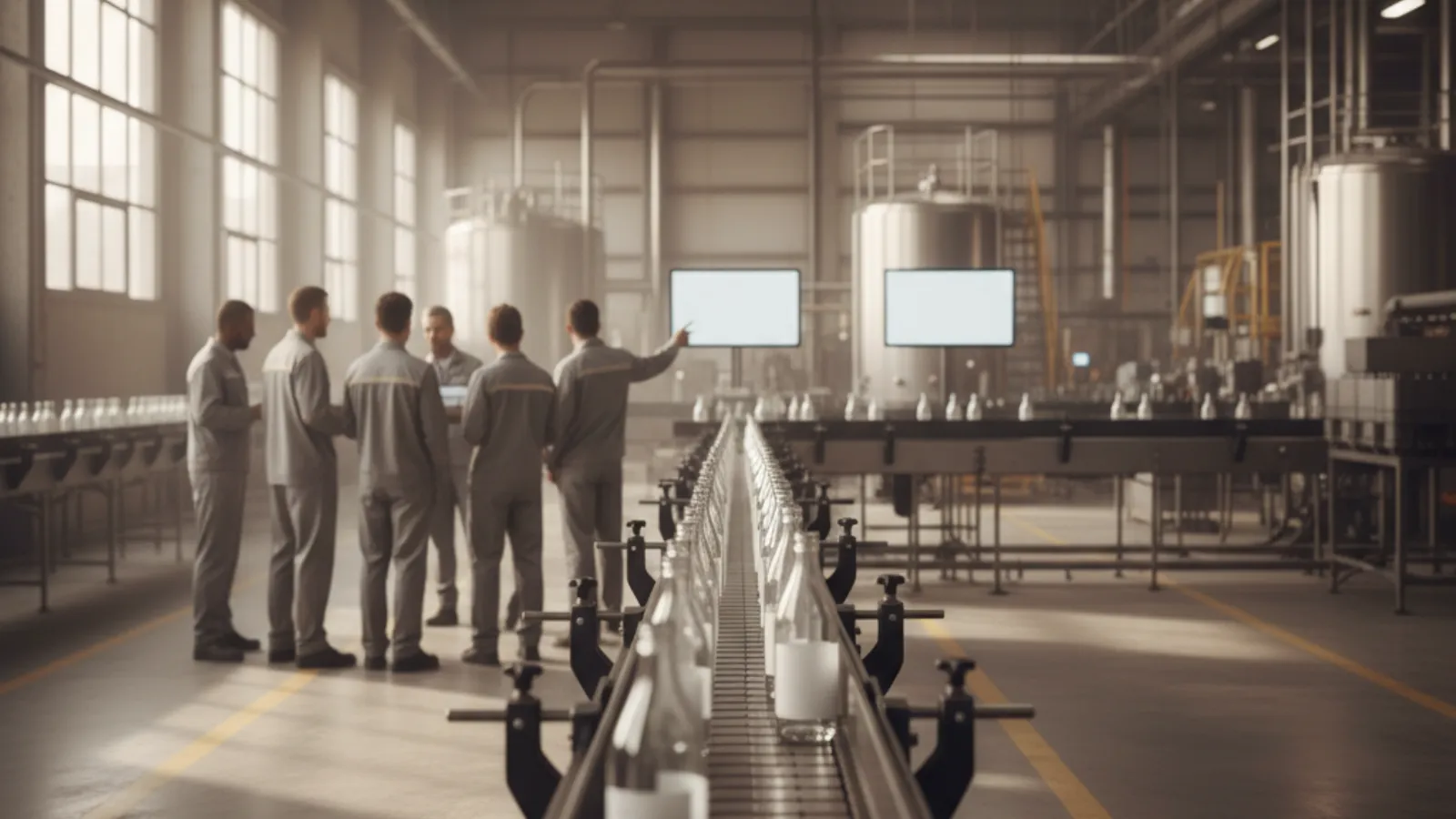
Most companies buy factories to grow. Coca-Cola has spent ten years selling its own. The latest move is a deal worth about $3.4 billion to hand its biggest bottling business in Africa to another company. The aim is simple. Coca-Cola wants to own the brand and the recipe, and let other firms own the plants, the trucks and the risk.
The one number that explains it
One figure tells the whole story. In 2015, bottling made up 52% of Coca-Cola's revenue. By 2024 it was just 13%. The company has been selling or handing off its bottling plants for years. The industry calls this refranchising.
Here is the reason. Making and shipping drinks is hard, costly work. It needs factories, trucks, glass, sugar and a lot of staff.
The brand and the concentrate are a different game. They are light to run and very profitable. Coca-Cola keeps that rich part and lets others own the heavy work.
The Africa deal
In October 2025, Coca-Cola and the Gutsche family agreed to sell 75% of Coca-Cola Beverages Africa to Coca-Cola HBC. The price is about $2.6 billion in cash. That values the whole African bottler at around $3.4 billion. The Africa deal is one of the last big pieces of the plan.
This business is huge. It bottles drinks in 14 African countries. It handles about 40% of all Coca-Cola sold on the continent, and the deal makes Coca-Cola HBC the second-largest Coca-Cola bottler in the world. The largest, Coca-Cola Europacific Partners, is another independent and listed bottler.
Coca-Cola is not walking away fully. It keeps a 25% stake, with the option to sell that too within six years. It will take a one-off charge of about $1 billion, and the deal is set to close by the end of 2026.
India is the other last piece
India tells the same story. In July 2025, the Jubilant Bhartia Group bought 40% of Coca-Cola's India bottling arm. That deal valued the bottler at roughly 31,250 crore rupees, close to $3.7 billion.
Coca-Cola now plans to list the India business on the stock market in 2027. Its leaders have called Africa and India the last two big pieces of a plan they started a decade ago. By the end of 2026, that ten-year plan is almost done.
Why give up the part that makes the drinks
It looks odd to sell the business that actually makes your product. The logic is all about margins. Selling the bottlers lifts Coca-Cola's profit margin, because it keeps the rich part and hands off the heavy part.
Coca-Cola still earns on every bottle. It sells the concentrate to the bottler, who does the costly work. So the spending and the volume risk sit with the bottler. Coca-Cola simply collects the money from selling the concentrate.
The trade-off is control. Coca-Cola now leans on partners to run things well on the ground. That works only because the brand is strong enough that bottlers still want the deal.
What this means next
For Coca-Cola, the result is a cleaner, higher-return business with more cash to give back to shareholders. For the bottlers, it means more scale, more debt and more risk. Companies like Coca-Cola HBC now carry the emerging-market bet that Coca-Cola just sold.
There is a wider lesson here. PepsiCo runs the opposite model and owns far more of its own making and bottling. The brand earns the margin, and the factory carries the cost. Anyone buying a drinks business this year should price those two halves apart, because that is where the profit and the risk really split.
Global Aseptic Packaging Market Report 2026
148.4bn litres and 344bn packs in 2025. Aseptic volumes across dairy, dairy alternatives, beverages and food in 39 markets — 2025 actuals and forecasts to 2030. Buy online and receive it within 24 hours.
More information
Global Cheese Database 2026
Production, imports, exports and consumption for 39 cheese types across 48 countries, with actuals through 2025 and forecasts to 2030. Join the waitlist for early access, pre-launch pricing and a free sample country chapter.
Get early accessStrategic Insights
📊 Analytics & Strategic Insight
Coca-Cola is becoming a royalty business, and the bottlers are buying the risk
The decision most in this industry are avoiding:
👉 Calling Coca-Cola a drinks maker. It is closer to a brand-and-recipe licensor that collects on every bottle it no longer builds. Model it that way and its margins stop looking like magic.
👉 Copying asset-light without the brand to back it. Refranchising works only when partners still fight to make your product. A weak brand that sells its plants just loses control and keeps the same low margin.
👉 Reading the margin gain as pure skill. A big chunk of Coca-Cola's higher margin is mix. It sold the low-margin half, so do not judge rivals against it as if they were the same kind of company.
Here's the full context:
→ 2015: Bottling investments are 52% of Coca-Cola's revenue, and the company starts its long refranchising plan.
→ 2024: Bottling is down to 13% of revenue. Coca-Cola refranchises several India regions, including Rajasthan and Bihar, for about $290 million.
→ July 2025: The Jubilant Bhartia Group buys 40% of Coca-Cola's India bottling holding, valuing the bottler near 31,250 crore rupees.
→ October 2025: Coca-Cola and the Gutsche family agree to sell 75% of Coca-Cola Beverages Africa to Coca-Cola HBC for about $2.6 billion, roughly $3.4 billion for the whole business.
→ Most recent: The Africa deal is set to close by the end of 2026, with the India business lined up for a 2027 listing. These are the closing chapters of a ten-year plan.
What this means for food and beverage operators and investors:
✅ Split brand from bottling in every model. The brand and recipe earn the margin. The plant carries the capital. A blended view hides which half makes the money.
✅ Asset-light is really a brand-strength test. Only a brand with real pricing power can sell its factories and keep the profit. Most cannot.
✅ The listed bottlers are now the growth bet. Coca-Cola HBC and its peers hold the emerging-market upside and the capital risk that Coca-Cola handed off. Price them on volume, not on the brand halo.
3 moves you can make this week:
1️⃣ Re-cut your own P&L into brand and operations. See which half earns the margin and which half eats the cash, then decide what you should really own.
2️⃣ Pressure-test any plan to go asset-light. If partners would not pay to make your product, you are not Coca-Cola, and selling your plants will not fix your margin.
3️⃣ Re-rate the bottlers you can buy or invest in. Coca-Cola HBC, CCEP and regional bottlers now carry the growth and the risk Coca-Cola sold. Value them on emerging-market volume, debt and execution.
Take the Next Step
📞 Need help with market entry, market research, or a water source valuation?
Book a free 30-minute consultation with Akos Petri — strategic guidance across European and US markets, operator landscapes, and commercial positioning.
→ Book your free call
Zenith Consulting
Submit your food & beverage project enquiry.
Share your requirements. If there is a strong fit, we’ll come back with an indicative investment range, project timeline and recommended strategic approach.
Reviewed by Zenith Consulting’s senior food & beverage strategy team.
Related analyses
- M&A, Investment & Valuation
EEX Hands Its Dairy Market To CME: Europe Makes 10.8 Million Tonnes Of Cheese And Cannot Hedge Any Of It
CME Group will take over the European Energy Exchange dairy business before the end of 2027, including the weekly cheese indexes for cheddar curd, mild cheddar, young gouda and mozzarella. Europe makes 10.8 million tonnes of cheese a year and still has no cheese futures contract behind it.
Read analysis → - M&A, Investment & Valuation
Chobani's $1.2bn Allentown Plant Would Take A Third Of Pennsylvania's Milk: Keurig Dr Pepper Sold The Building For $125m
Keurig Dr Pepper is selling its Chobani stake for $800m and its Allentown plant for $125m to cut debt before its 2027 split. Chobani will spend $1.2bn on the site, which at full run would draw more than three billion pounds of Pennsylvania milk a year, close to a third of the whole state's output.
Read analysis → - M&A, Investment & Valuation
USDA's Ranchers First Puts 20% Of US Beef Processing In Play: The Purchase Order Matters More Than The Loan
USDA says nearly 20% of US beef processing will come free as the herd grows, and it is offering backed loans to fill it. The cheaper win sits in the buying line, because a purchase order fills a plant and a loan only builds one.
Read analysis →
Share it with your peers
Pass this analysis to colleagues who track the food and beverage market.
Zenith Market Intel
Need a specific food or beverage market report?
Tell us which category, region or question would be useful for your team.
Sister Publication
Also follow our Water Dispense Market Intelligence
Category analyses, operator briefings, and investor signals across the global water dispense market.