Danone Sues Chobani Over 20-Gram Protein Claims: The Serving-Size Loophole Behind the Yogurt Protein Wars
Danone has sued Chobani in federal court, alleging its rival inflates the protein on its 20G yogurt tubs by using a bigger-than-standard serving size. The case shows how a single 20-gram claim, supercharged by GLP-1 demand, has turned label math into a competitive weapon across food and beverage.
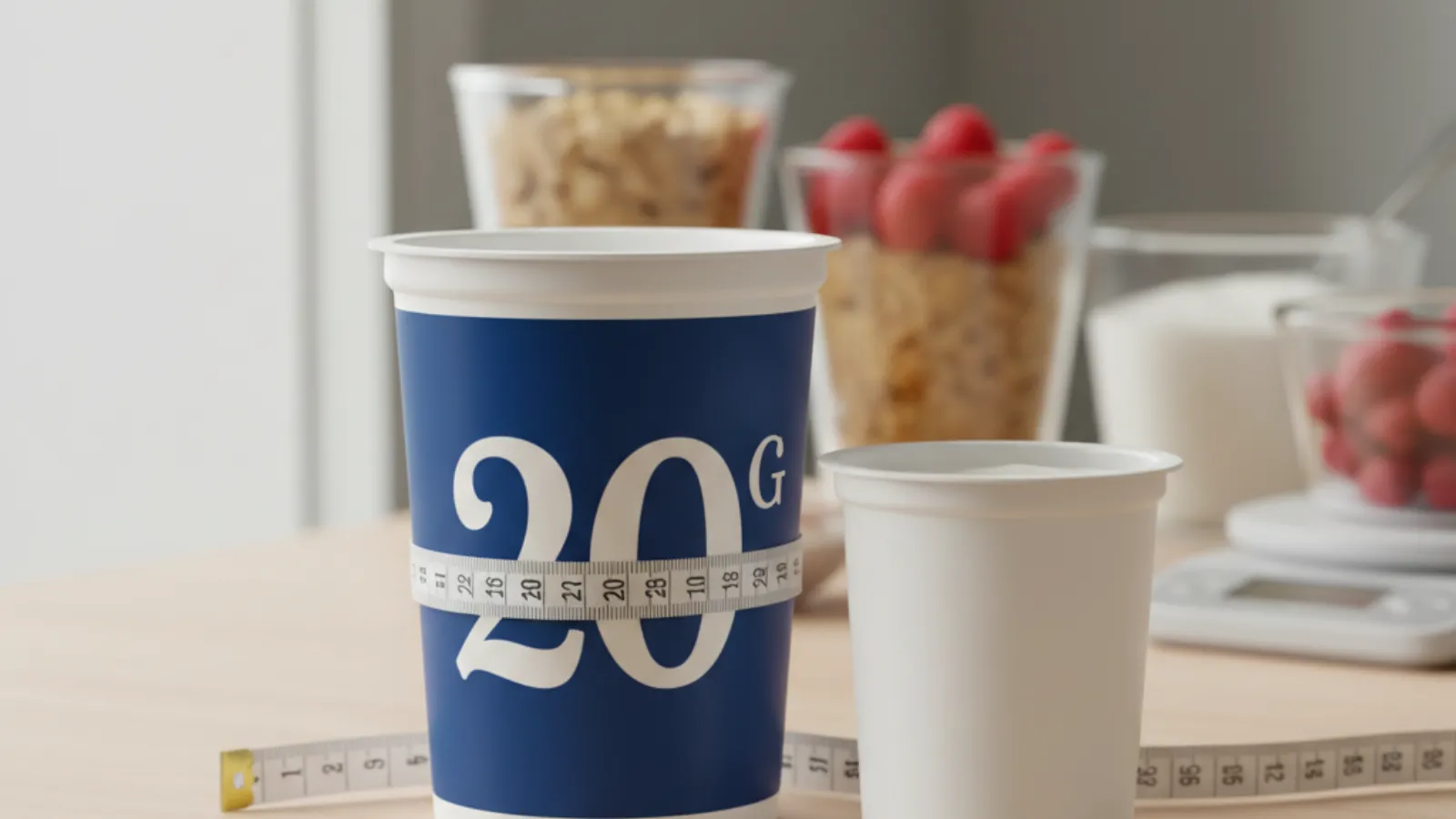
Danone just took its biggest rival to federal court over 1.4 ounces of yogurt. The fight is about far more than a label.
On 15 June 2026, Danone US sued Chobani in the Southern District of New York, claiming the maker of Chobani 20G Protein inflates its protein number by quietly using a bigger serving size. The whole case turns on the gap between 6.7 ounces and 5.3 ounces, and on one marketing number that has become the price of entry in food: 20 grams of protein.
The serving-size loophole
Here is the math at the heart of the suit. Chobani sells its 20G Protein Greek yogurt in 32-ounce multi-serve tubs. To reach the headline 20 grams, the label sets one serving at 6.7 ounces. The long-standing reference amount for yogurt is 5.3 ounces. Danone says that if Chobani used the standard 5.3-ounce serving that federal rules apply to multi-serve tubs, each portion would show under 18 grams of protein, below the 20-gram line that lets a product call itself high-protein. Danone hits the same 20-gram claim on its Oikos Pro line at the standard serving, and says it spent real money on the recipes and equipment to get there.
Danone wants an injunction, damages, corrective advertising, and Chobani's profits from the products. Chobani has not commented publicly. This is at least the fourth time the two yogurt giants have sued each other since 2016, so the bad blood runs deep. What is new is the size of the prize they are fighting over.
Why 20 grams is worth a lawsuit
Protein is the biggest force in food right now, and the dairy aisle is where it pays off fastest. Danone says its own high-protein products are growing at double-digit rates, and it ties that surge directly to the rise of GLP-1 weight-loss drugs like Ozempic. People on those drugs eat less and worry about losing muscle, so they hunt for protein in every basket. About one in eight American adults now takes a GLP-1 drug. J.P. Morgan expects that number to climb from roughly 10 million today toward more than 30 million by 2030.
That demand has turned 20 grams into a number shoppers actively scan for, the way 0 sugar or 100 calories once pulled people in. Hit it and you win the shelf. Miss it and you look ordinary. When a single threshold decides who gets picked up, the serving size on the back of the pack stops being a technicality and becomes a competitive weapon.
Litigation as strategy
Look past the yogurt and this is a playbook. When you cannot out-formulate a rival, you can try to out-litigate them. Danone has the harder, costlier product: real 20-gram yogurt at a standard serving. A court win would force Chobani to relabel, drop the claim, or shrink its number, handing Danone back the high ground it paid to build. Even a slow case plants doubt with retailers and shoppers while it drags on.
There is a wider warning here for the whole industry. Regulators and plaintiff lawyers are circling protein claims the way they once circled natural and healthy. Protein has to be judged on quality, not just grams, and serving-size games are easy to expose once someone looks. The brands stacking high-protein flags on every box are building the exact target this lawsuit just painted.
What it means next
For operators and investors, the read is simple. The protein boom is real and large, but the claims behind it are about to be tested in court and on labels. Expect more suits like this one, more attention from the FDA and FTC on how grams get counted, and retailers asking harder questions before they give up shelf space. The winners will be the companies that can back a number with a recipe, not a serving-size trick. For Danone and Chobani, the next ruling will help set the rules of the protein aisle for everyone behind them. For the rest of food and beverage, the lesson lands today: if your growth story rests on one label claim, make sure it survives a lawyer reading the fine print.

Global Aseptic Packaging Market Report 2026
148.4bn litres and 344bn packs in 2025. Aseptic volumes across dairy, dairy alternatives, beverages and food in 39 markets — 2025 actuals and forecasts to 2030. Buy online and receive it within 24 hours.
More information
Global Cheese Database 2026
Production, imports, exports and consumption for 39 cheese types across 48 countries, with actuals through 2025 and forecasts to 2030. Join the waitlist for early access, pre-launch pricing and a free sample country chapter.
Get early accessStrategic Insights
📊 Analytics & Strategic Insight
Protein is the new low-fat, and the label is the battlefield
The decision most in this industry are avoiding:
👉 Treating serving size as a back-office detail. On a multi-serve pack it is a marketing choice with legal weight. The people who set it should include legal and brand, not just the nutrition lab.
👉 Believing the protein wave lifts every boat for free. The claims are now contested ground. A number you cannot defend at a standard serving is a liability waiting for a rival or a regulator.
👉 Reading this as a yogurt spat. It is a template. Any category with a magic threshold, like fiber, protein, sugar or electrolytes, is one filing away from the same fight.
Here's the full context:
→ 2016: Danone and Chobani begin a run of legal clashes as the two biggest Greek-yogurt sellers fight for the same shoppers.
→ 2023 to 2024: GLP-1 weight-loss drugs go mainstream and protein becomes the dominant claim in food and drink.
→ 2025: Danone reports double-digit growth in its high-protein lines and links it straight to GLP-1 adoption.
→ Early 2026: 20 grams hardens into the shelf threshold for high-protein yogurt, and brands race to print it on the front of the pack.
→ Most recent: On 15 June 2026, Danone sues Chobani in New York federal court, claiming a 6.7-ounce serving inflates the 20-gram number that a 5.3-ounce serving would not support.
What this means for food and beverage operators and investors:
✅ Audit your claims before someone else does. Re-run every nutrient flag at the standard serving the rules expect. If the number drops below the line, fix the label or the recipe now.
✅ Back the number with the product. Claims you earned through formulation survive a lawsuit and a regulator. Claims you engineered through serving size do not.
✅ Price in legal and regulatory risk on hot claims. Protein is heading the way of natural and healthy, where labels get tested in court. Budget for it like any other cost of growth.
3 moves you can make this week:
1️⃣ Recount your top claims at the standard serving. List every product whose headline number depends on a generous serving size, and flag the ones that fall short.
2️⃣ Map your single-threshold exposure. Mark which products live or die on one magic number, then decide which you would defend, reformulate or relabel first.
3️⃣ Run a "we get sued or audited" drill. Pull the evidence behind your biggest claim and ask whether it would hold up if a rival's lawyer read the fine print.
Take the Next Step
📈 Prefer it visual?
Get our free food and beverage infographics — clear, shareable snapshots of the trends moving the industry.
→ Get the free infographics
Zenith Consulting
Submit your food & beverage project enquiry.
Share your requirements. If there is a strong fit, we’ll come back with an indicative investment range, project timeline and recommended strategic approach.
Reviewed by Zenith Consulting’s senior food & beverage strategy team.
Related analyses
- Health, Nutrition & Functional
US Bans Canadian Whey From 29 September: The Cheese Vat Now Sets The Protein Price
Washington shuts eight lines of Canadian whey out of the country from 29 September 2026. The ban lands on a protein market with nothing spare, and every extra pound of whey protein has to come off a cheese vat.
Read analysis → - Health, Nutrition & Functional
Canada Puts 25% On All US Cheese: Cheddar And Mozzarella Now Pay Duty Inside The USMCA Quota
Canada's 25% surtax on US cheese took effect on 8 September 2026. It lands inside the duty free quota, where American cheddar and mozzarella have paid nothing since USMCA began.
Read analysis → - Health, Nutrition & Functional
Allulose Lawsuits Hit Liquid Death, WK Kellogg And KIND: The FDA Green Light That Was Never A Defence
Five food and drinks brands were sued in one week over zero sugar claims on packs sweetened with allulose. The FDA said it would not act on the back panel, and it never changed the rule on the front.
Read analysis →
Share it with your peers
Pass this analysis to colleagues who track the food and beverage market.
Zenith Market Intel
Need a specific food or beverage market report?
Tell us which category, region or question would be useful for your team.
Sister Publication
Also follow our Water Dispense Market Intelligence
Category analyses, operator briefings, and investor signals across the global water dispense market.