After the NZ$4.22 Billion Brand Exit: How Fonterra Is Becoming the World's Most Important Dairy Protein Supplier
Fonterra completed the NZ$4.22 billion sale of its Mainland consumer business to Lactalis on April 1, returned NZ$3.2 billion to its farmers, and is now executing a focused B2B dairy protein strategy — at exactly the moment global demand for high-protein ingredients is accelerating fastest.
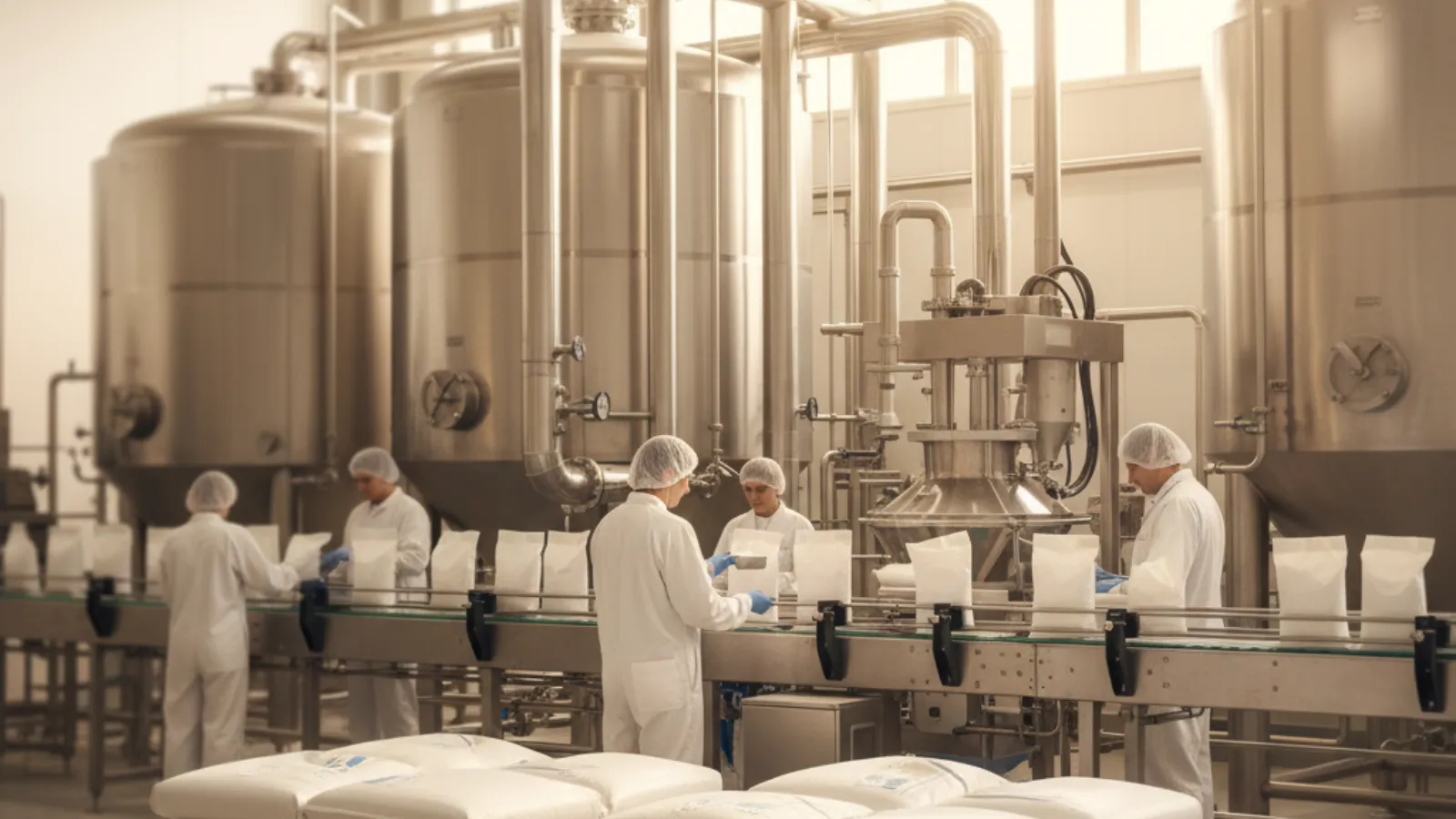
Last month, the average Fonterra dairy farmer received a NZ$400,000 payout. That money came from the NZ$4.22 billion sale of the Mainland Group — Anchor, Kapiti, Western Star, and the rest of the cooperative's consumer brands — to Lactalis, which completed on April 1, 2026. Fonterra distributed NZ$3.2 billion of the proceeds directly to its farmer-shareholders at NZ$2 per share, paid on April 14.
What remained after the sale is a very different kind of company. Fonterra is now a pure-play global B2B dairy platform. No consumer brands to advertise. No retail shelf fights. No branded margin pressure. Just ingredients, foodservice, and protein — supplied at scale to food and beverage manufacturers across more than 140 countries.
Its H1 FY26 results show what that focus looks like in financial terms. Operating profit reached NZ$1.231 billion for the half, up NZ$124 million on the prior year. Group revenue hit NZ$13.9 billion, up NZ$1.3 billion. The Ingredients channel returned 11% on capital. Foodservice returned 12.6%. The cooperative is on track to deliver a total FY26 payout of NZ$3.9 billion to its farmer-owners — one of the largest in its history.
Protein Is Doing the Work
Two demand signals are driving the numbers. Ready-to-drink protein beverages — a high-growth category supplied heavily by Fonterra's Ingredients business — are growing at approximately 10% annually. High-protein yogurt formats, specifically products carrying more than 20 grams of protein per serving, have surged 65% year-on-year.
These are not niche trends. They are structural demand shifts driven by the convergence of GLP-1 weight-loss drug adoption, mass-market mainstreaming of sports nutrition, and the rapid expansion of functional food formats across Europe, North America, and Asia. Fonterra is positioned directly in the supply chain for all of them.
To meet growing demand, Fonterra completed construction of a new advanced protein hub at its Studholme site in New Zealand in early 2026, with first trial products off the line in February. The cooperative has committed up to NZ$1 billion in capital investment over the next three to four years, directed at expanding protein, butter, and cream processing capacity across its New Zealand manufacturing network.
The Lactalis Deal Has a Structural Kicker
The Mainland sale was not a clean break. Under newly agreed supply arrangements, Fonterra will provide raw milk to Lactalis for a minimum of ten years and supply bulk cheese ingredients under a global agreement for at least six years. Lactalis gets the brands and distribution assets. Fonterra keeps the long-term milk and ingredient supply relationship — which means the divested business continues to underpin volume through a contracted B2B channel.
This is cooperative M&A done well. Fonterra extracted premium value from consumer assets it could no longer efficiently manage, converted the proceeds into farmer capital returns, and locked in a long-term B2B supply agreement with the world's second-largest dairy company as a guaranteed offtaker. The farming base is strengthened. The B2B pipeline is extended.
Why Most Food Companies Are Underestimating This
Most procurement teams still treat Fonterra as one of several commodity dairy suppliers. That framing is becoming dangerous. As specialty dairy protein demand accelerates — whey isolates, casein, milk protein concentrates, lactoferrin — the number of suppliers capable of delivering consistent, high-volume, food-grade supply at global scale is small and getting smaller. Fonterra's integrated model, from farm gate to finished ingredient, backed by NZ$1 billion in new processing investment, positions it as the tier-one B2B partner for any company building a protein-led product portfolio.
The companies co-developing next-generation protein formats with Fonterra's R&D teams today will have a meaningful formulation advantage by 2028. Those sourcing protein on spot markets will face price and supply risk as demand continues to outpace commodity capacity. The window to establish a strategic supply relationship — rather than a transactional one — is narrowing.
CEO Miles Hurrell has made the direction explicit: Fonterra is a global B2B dairy nutrition provider. The capital programme, the Studholme protein hub, the Mainland divestiture, and the Lactalis supply agreements all point the same way. For food and beverage operators and investors who have not yet benchmarked their dairy protein strategy against what Fonterra is building, the time to start is now.
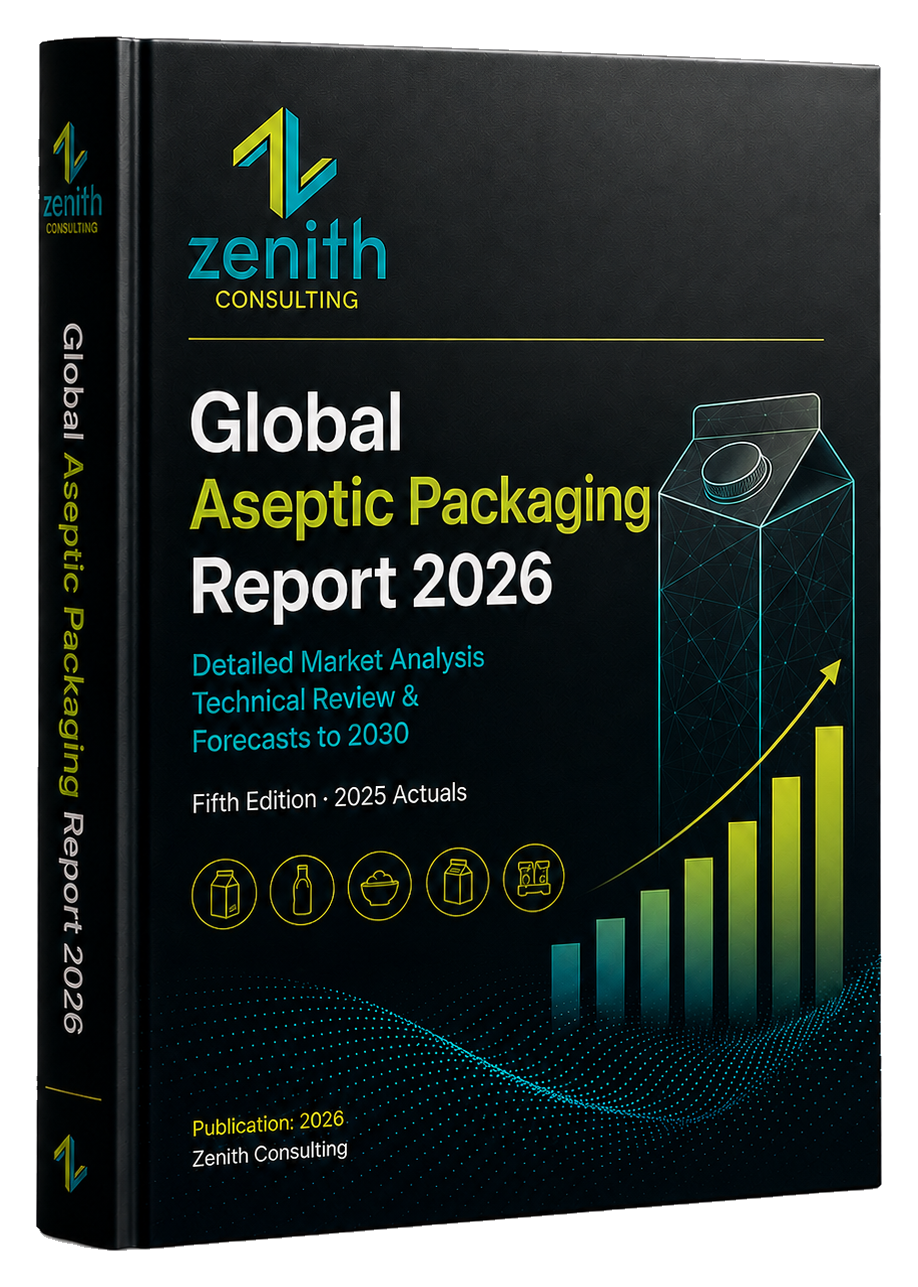
Global Aseptic Packaging Market Report 2026
148.4bn litres and 344bn packs in 2025. Aseptic volumes across dairy, dairy alternatives, beverages and food in 39 markets — 2025 actuals and forecasts to 2030. Buy online and receive it within 24 hours.
More information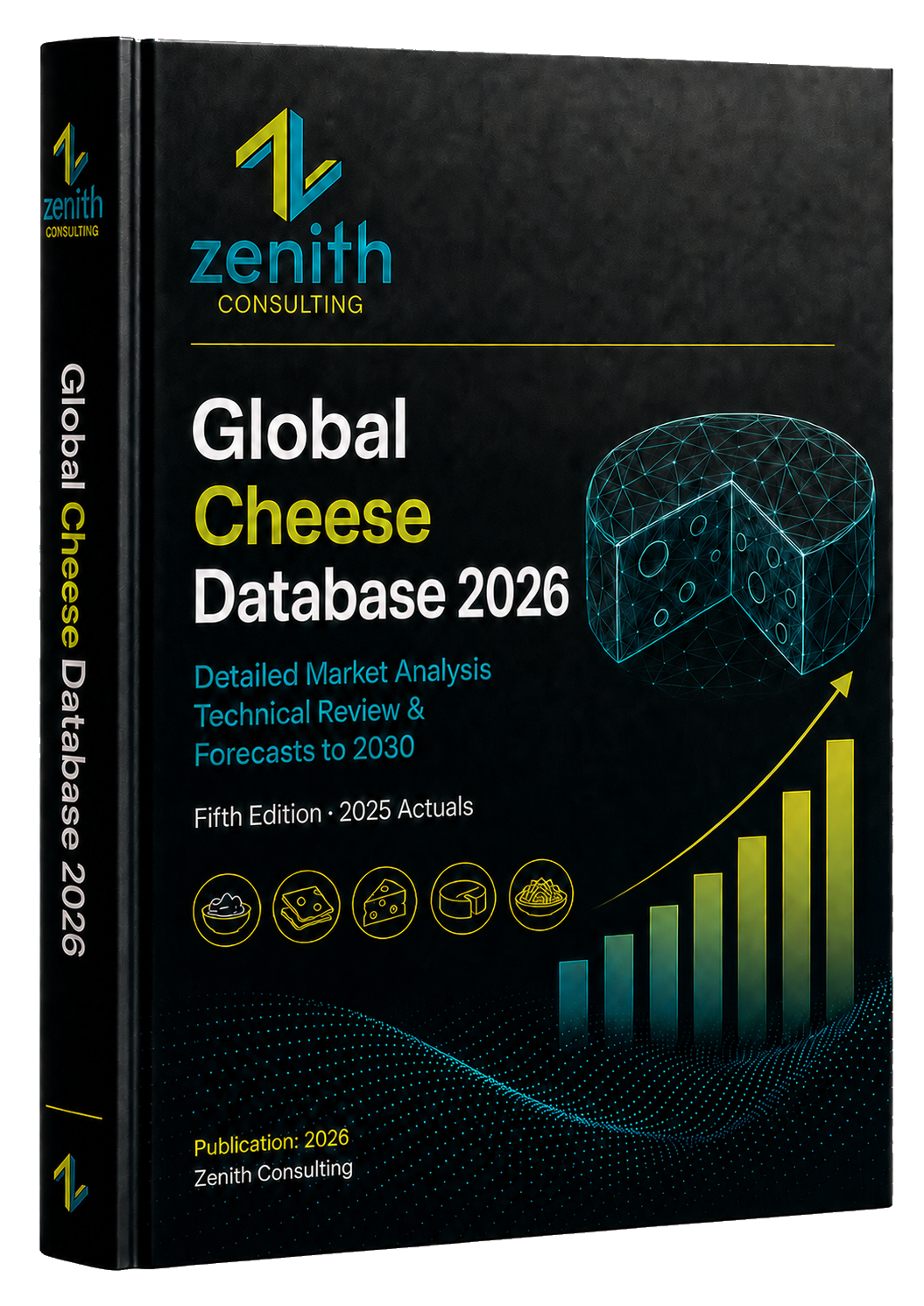
Global Cheese Database 2026
Production, imports, exports and consumption for 39 cheese types across 48 countries, with actuals through 2025 and forecasts to 2030. Join the waitlist for early access, pre-launch pricing and a free sample country chapter.
Get early accessStrategic Insights
📊 Analytics & Strategic Insight
Fonterra's B2B Pivot Is the Most Under-Watched Strategic Move in Global Dairy
The decision most in this industry are avoiding:
👉 Most food and beverage companies negotiate dairy protein as a commodity input, not a strategic partnership. As Fonterra concentrates on B2B supply and invests NZ$1 billion in new processing capacity, companies with co-development relationships will access novel protein formats before competitors — on better terms and at better cost.
👉 The 65% year-on-year surge in high-protein yogurt formats is not a fad — it is a structural demand shift. GLP-1 drug adoption is reconfiguring consumer nutrition priorities across every major market. Food companies that have not embedded high-protein dairy into their innovation pipelines for 2027 and beyond are already behind.
👉 Fonterra's cooperative ownership model gives it a capital allocation advantage most listed peers cannot replicate. Without quarterly earnings pressure from institutional shareholders, it can invest in long-cycle infrastructure that public companies — constrained by margin guidance — cannot justify. Benchmarking Fonterra against Danone or Arla on EBIT margin alone misses this structural difference entirely.
Here's the full context:
→ 2021–2024: Fonterra conducts a multi-year portfolio review, identifying consumer brands as a distraction from its core mission as a global dairy ingredient supplier. Divestitures of Soprole (Chile) and other regional consumer assets begin.
→ Late 2024: Fonterra completes the final regulatory approvals for the NZ$4.22 billion Mainland Group sale to Lactalis, covering Anchor, Kapiti, Western Star, and associated consumer businesses across Oceania and international markets.
→ February 2026: New advanced protein hub at Studholme, New Zealand, comes online. First trial products off the line. NZ$1 billion four-year capital programme formally announced by CEO Miles Hurrell.
→ April 1, 2026: Fonterra completes sale of Mainland Group to Lactalis for NZ$4.22 billion. Supply agreements locked in: raw milk to Lactalis for 10+ years; bulk cheese globally for 6+ years. NZ$3.2 billion returned to farmer-shareholders — average payout NZ$400,000 per farmer.
→ Most recent: H1 FY26 results — NZ$1.231 billion operating profit, up NZ$124 million year-on-year. RTD protein beverages growing at 10% annually. High-protein yogurts up 65% YoY. Total FY26 payout to farmers on track for NZ$3.9 billion. Milk price set at record NZ$9.70/kgMS.
What this means for food and beverage operators and investors:
✅ Fonterra is now the world's largest pure-play B2B dairy platform. Companies building protein-led product lines — RTDs, high-protein dairy, functional snacks, infant nutrition — should be treating Fonterra as a strategic partner with co-development capabilities, not a spot commodity supplier.
✅ The Lactalis supply agreements create a new commercial dynamic in Oceania dairy. Lactalis now controls the consumer brands; Fonterra controls the ingredient supply. Watch for Lactalis to leverage the Anchor and Mainland brands to expand into adjacent dairy categories in Asia-Pacific — a market Fonterra has vacated at the consumer level.
✅ The NZ$1 billion capacity investment is a forward signal on where dairy protein demand is heading. Whey isolates, caseins, milk protein concentrates, and lactoferrin are growth ingredients. Investors and operators with long-range procurement planning horizons should model Fonterra's capacity expansion timeline against their own product roadmaps.
3 moves you can make this week:
1️⃣ Audit your dairy protein supply agreements. If key inputs — whey isolates, milk protein concentrates, casein — are sourced through commodity brokers rather than a primary processor, quantify your exposure to supply tightening and price volatility as demand grows through 2027 and 2028.
2️⃣ Request a co-development meeting with Fonterra Ingredients. The protein hub at Studholme is designed for application development partnerships. If you have a high-protein product in your innovation pipeline for 2027 or 2028, the conversation with Fonterra's R&D team needs to start now — not after the capacity is fully contracted.
3️⃣ Use the NZ milk price as a forward cost indicator. Fonterra's fixed milk price of NZ$9.70/kgMS sets the effective floor for premium dairy protein pricing globally. Build it into your commodity cost models for H1 2027 procurement planning rather than relying on spot market signals alone.
Take the Next Step
📞 Need help with market entry, market research, or water source valuation?
Book a free 30-minute consultation with Akos Petri — strategic guidance across European and US markets, operator landscapes, and commercial positioning.
→ Book your free call
Zenith Consulting
Submit your food & beverage project enquiry.
Share your requirements. If there is a strong fit, we’ll come back with an indicative investment range, project timeline and recommended strategic approach.
Reviewed by Zenith Consulting’s senior food & beverage strategy team.
Related analyses
- Health, Nutrition & Functional
Dreher Adds A 12,000 Carton An Hour Elopak Aseptic Line Into A German Juice Market Down To 1,915 Million Litres
Dreher Group has started filling its own aseptic cartons at Stockach on an Elopak E-PS120AH running up to 12,000 cartons an hour. It joins a German market where Zenith's own data shows aseptic volume falling 2.6% a year and juices and nectars down to 1,915 million litres.
Read analysis → - Health, Nutrition & Functional
SIG Targets 85% Paper In Aseptic Cartons: Aluminium-Free Still Has Enormous Room To Scale
SIG says it is working towards 85% paper content in its aseptic cartons, with polymer and fibre barriers doing the work aluminium used to do. Set against the 344 billion aseptic packs filled worldwide in 2025, the aluminium-free carton is still a rounding error.
Read analysis → - Health, Nutrition & Functional
Saputo Creates A Dairy Ingredients Division: Cheese Plants Are Now Judged On Their Whey
Saputo has split dairy ingredients into its own division under Steve Douglas. US cheese output rose 2.1% in July while whey protein concentrate output fell 2.3%.
Read analysis →
Share it with your peers
Pass this analysis to colleagues who track the food and beverage market.
Zenith Market Intel
Need a specific food or beverage market report?
Tell us which category, region or question would be useful for your team.
Sister Publication
Also follow our Water Dispense Market Intelligence
Category analyses, operator briefings, and investor signals across the global water dispense market.