FTC Surveillance Pricing Crackdown Hits Grocery: What Maryland, Connecticut and New Jersey Mean for Food and Drink Brands
The FTC has put a draft policy on personal-data pricing out for public comment, and Maryland, Connecticut and New Jersey have already passed grocery bans. Food and drink brand owners now face a shelf price they cannot see or plan around.
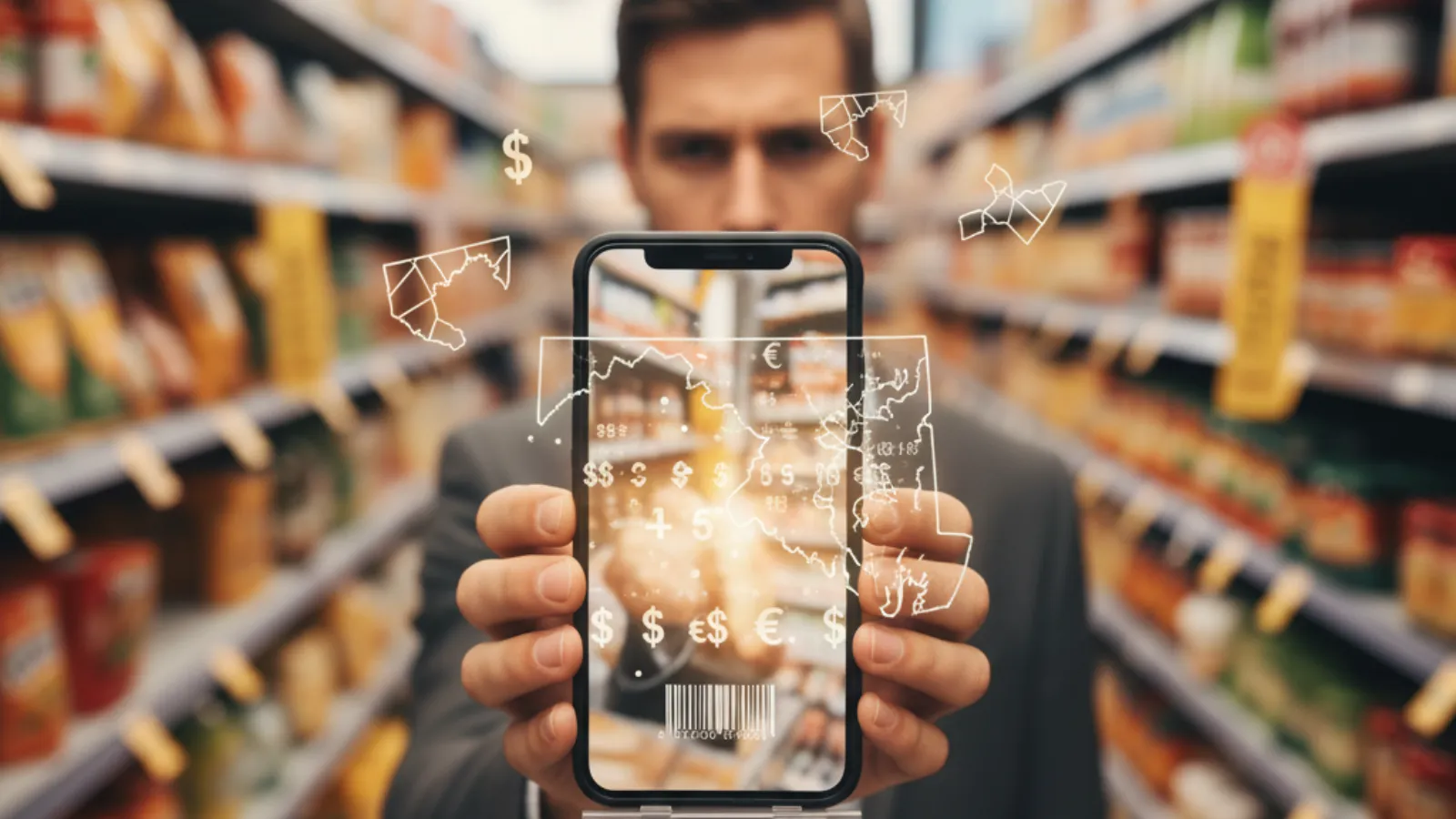
Most of the coverage reads this as a shopper privacy story. I read it as a shelf price story. A brand that cannot see its own price cannot plan around it.
Consumer Reports studied Instacart data in December 2025. Buyers paid different prices for the same item, at the same shop, at the same time. Some gaps ran as high as 23%. The group put the cost to a home at more than $1,200 a year. Instacart later stopped the tests.
What the FTC has actually proposed
On 19 August 2026 the FTC put a draft policy out for public comment. It sets out how the FTC will treat prices built from personal data. Chair Andrew Ferguson said the FTC cannot ban the practice in every case. It can act when a firm hides it.
His line was blunt. "When consumers see a listed price, they expect it to be same price that everyone else sees," Ferguson said. Section 5 of the FTC Act covers unfair or deceptive acts. Hiding the basis for a price can meet that test.
The draft lists cases the FTC would look at. One is a food shop charging a home more for milk because the data shows several children live there. Another is a delivery app quoting a higher price to people who find it hard to leave home. A third is a shop lifting its web price when it sees the shopper in its own car park.
Three states, three rule books
Maryland went first. Its law was signed on 28 April and starts on 1 October. It covers food shops of at least 15,000 square feet and the apps that deliver food. Card schemes, paid clubs and price gaps based on supply, site or running cost all stay legal. A firm gets 45 days to fix a breach before the state can act.
Connecticut signed in June and also starts on 1 October. It covers all shops and goes further. Where a price has been raised this way, the shop must show a label at the till. The wording is fixed: THIS PRICE WAS INCREASED BY A PRICE SETTING DEVICE USING YOUR PERSONAL DATA.
New Jersey signed on 23 July. Fines run up to $50,000 a breach, with treble damages and a private right of action. The main ban starts on 1 August 2027. The state also froze new screen price tags for a year while it studies them. Tags already fitted can stay.
Why this lands on brand owners as well as shops
The price is set by the shop. The pack on the shelf carries a brand name. In Connecticut that warning label will sit right beside it.
Brand teams buy price tracking to plan deals and pack sizes. That work assumes one price per shop per day. Once the price moves by shopper, the read gets weak. Deal reviews built on that read get weaker still.
The carve-outs matter more than the bans. Card schemes and paid clubs stay legal in Maryland. Much of the trade money brands hand over funds those same offers. Few brands can see who received it.
A patchwork with a real bill attached
Three states now run three sets of rules. Two start on 1 October and one waits until 2027. At least 11 states looked at bills this year. A federal rule on disclosure now sits on top of that.
For a firm selling in all 50 states, that is a real bill. Legal review, pack claims, trade terms and app contracts all need a look.
What to expect next
The comment window will draw heavy filings from shop groups and tech groups. Their case is that broad bans hit discounts and reward schemes. Expect the final FTC text to land on disclosure rather than a ban.
Buyers of US food and drink assets should add a line to the deal check. Any target with an app or a card scheme now carries this risk. For brand owners the first move is simple. Ask each retail partner, in writing, whether it sets prices from shopper data. Then ask what happens to the trade money you pay.
Global Aseptic Packaging Market Report 2026
148.4bn litres and 344bn packs in 2025. Aseptic volumes across dairy, dairy alternatives, beverages and food in 39 markets — 2025 actuals and forecasts to 2030. Buy online and receive it within 24 hours.
More information
Global Cheese Database 2026
Production, imports, exports and consumption for 39 cheese types across 48 countries, with actuals through 2025 and forecasts to 2030. Join the waitlist for early access, pre-launch pricing and a free sample country chapter.
Get early accessStrategic Insights
📊 Analytics & Strategic Insight
The shelf price is turning into a legal document
The decision most in this industry are avoiding:
👉 The carve-outs are wider than the bans. Card schemes, paid clubs and app fees stay legal in most of the text. The money keeps moving. It moves into places a brand cannot check.
👉 Brand owners carry a risk they did not create. The shop sets the price. The brand name sits on the pack above the till label.
👉 The screen tag freeze is the sleeper clause. New Jersey stopped new screen price tags for a year. That slows the kit behind fast price change. Deal plans built on same-day price moves need a rethink.
Here's the full context:
→ 2025: The DOJ settles with RealPage over a shared pricing tool. Data sharing between users of one vendor is capped.
→ December 2025: Consumer Reports finds Instacart buyers paying different prices for the same item at the same shop. Gaps reach 23%.
→ April 2026: Maryland signs the first state law. It covers food shops over 15,000 square feet and food delivery apps.
→ Mid 2026: Connecticut and New Jersey follow. Connecticut adds a till label. New Jersey adds fines up to $50,000 a breach.
→ Most recent: On 19 August 2026 the FTC put a draft policy out for comment. Firms that hide the practice face action.
What this means for food and beverage operators and investors:
✅ Price tracking data is now less solid. Plan packs and deals on shop-level reads. Add a check for gaps between the quoted price and the paid price.
✅ Trade money needs a paper trail. Ask each partner how targeted offers are funded. Ask who is shown them and on what basis.
✅ Deal checks need a pricing clause. Any US food or drink asset with an app or a card scheme now carries this risk. Price it in.
3 moves you can make this week:
1️⃣ Write to your top ten US retail partners. Ask one plain question. Do you set prices from shopper data?
2️⃣ Pull your trade terms for the three states. Two rule sets start on 1 October. The third starts in 2027.
3️⃣ File a comment with the FTC. The window is open. Brand owners have been quiet so far.
Take the Next Step
🎯 This is the thinking we bring to client projects.
If today's topic touches a decision on your desk this quarter, start the conversation before the window closes.
→ Start the conversation
Zenith Consulting
Submit your food & beverage project enquiry.
Share your requirements. If there is a strong fit, we’ll come back with an indicative investment range, project timeline and recommended strategic approach.
Reviewed by Zenith Consulting’s senior food & beverage strategy team.
Related analyses
- Market & Category Growth
UK Cheese Supplies Fall 6,900 Tonnes As Exports Hit A Q2 Record: Cheddar Milk Use Down 14 Million Litres
AHDB put UK available cheese supplies down 6,900 tonnes in the second quarter of 2026, while exports rose 8,000 tonnes to an all-time quarterly high. Defra figures show milk into Cheddar down 14.1 million litres in August alone.
Read analysis → - M&A, Investment & Valuation
Parmigiano Reggiano Takes On Australian Parmesan: The EU Trade Deal Protected 53 Cheese Names And Left Parmesan Out
The Parmigiano Reggiano Consortium has opened a three-year campaign in Australia, where cheese output runs at 455,000 tonnes a year. Australia agreed to protect 53 EU cheese names, and parmesan is not one of them.
Read analysis → - M&A, Investment & Valuation
Parmigiano Reggiano Takes On Australian Parmesan: The EU Trade Deal Protected 53 Cheese Names And Left Parmesan Out
The Parmigiano Reggiano Consortium has opened a three-year campaign in Australia, where cheese output runs at 455,000 tonnes a year. Australia agreed to protect 53 EU cheese names, and parmesan is not one of them.
Read analysis →
Share it with your peers
Pass this analysis to colleagues who track the food and beverage market.
Zenith Market Intel
Need a specific food or beverage market report?
Tell us which category, region or question would be useful for your team.
Sister Publication
Also follow our Water Dispense Market Intelligence
Category analyses, operator briefings, and investor signals across the global water dispense market.