Oji Liquid Pak's USD 110 Million Vietnam Aseptic Carton Plant Adds 8 Billion Packs To A Region Already At 62 Billion
Oji Liquid Pak broke ground on a USD 110 million aseptic carton material plant in Dong Nai, rated at up to 8 billion packs a year from 2028. Zenith puts Vietnam at 10,358.7 million aseptic packs in 2025, and South East Asia already holds about 62 billion packs of documented converting capacity.
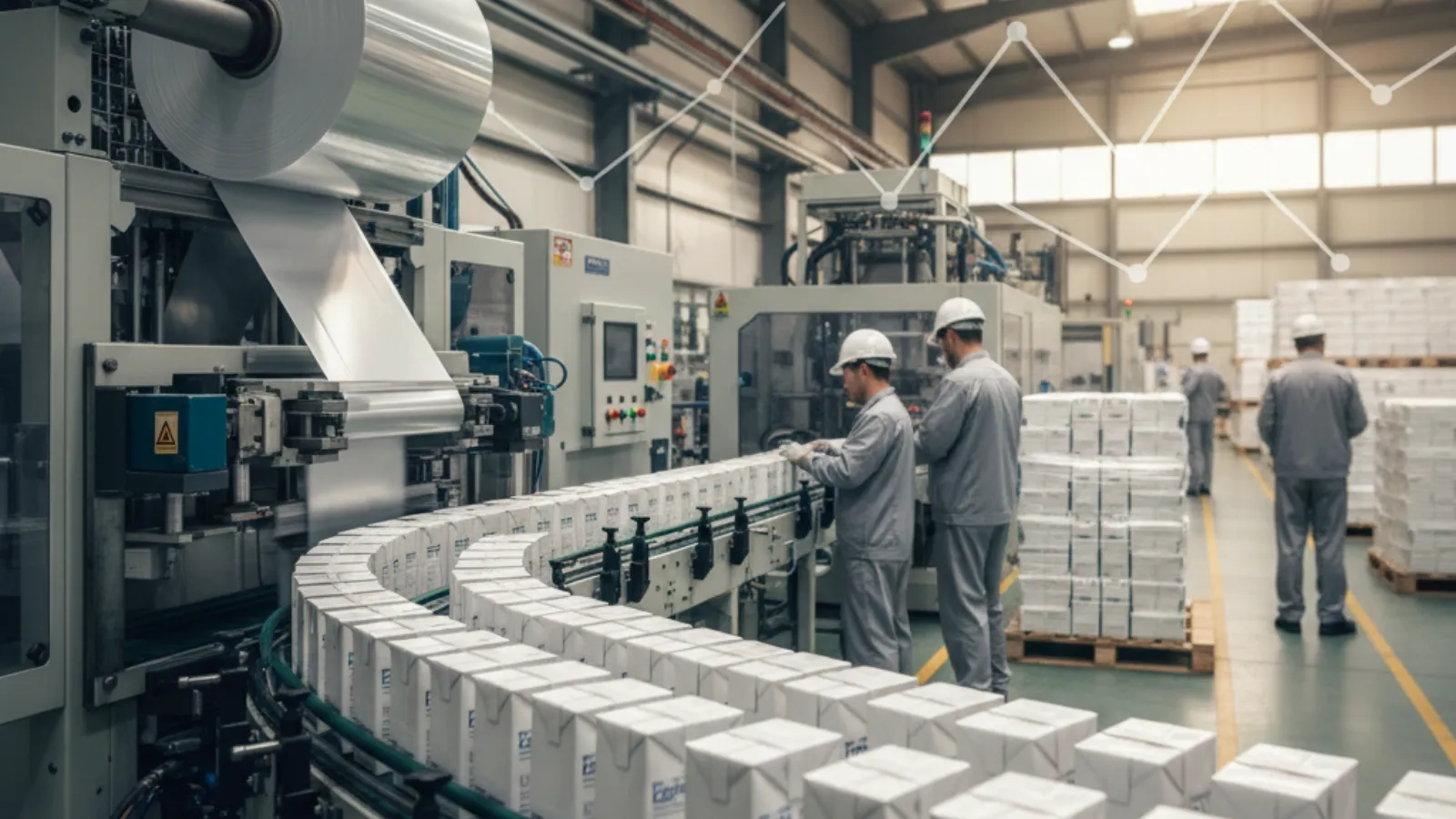
I will say this plainly. This plant is built for export more than for Vietnam. Oji Group broke ground in Dong Nai on 10 October with USD 110 million. The plant is rated at up to 8 billion aseptic packs a year.
What Oji Liquid Pak is building in Dong Nai
Oji Liquid Pak is the Vietnamese arm of Japan's Oji Holdings. The group set it up in 2025. Its sister company is IPI, the Italian aseptic carton and filling business that Oji bought in 2023. The new site sits at Long Thanh in Dong Nai, on 57,000 square metres. It will make aseptic carton material for drinks and liquid food. The company release puts capacity at up to 8 billion packs a year. More than 200 jobs come with it. Operations start in 2028. The province approved the project in November 2025 at nearly USD 104 million.
Eight billion packs against a market that fills ten
Zenith's Global Aseptic Packaging Market Report 2026 puts Vietnam at 2,503.9 million litres filled aseptically in 2025. The pack count was 10,358.7 million. One plant at full tilt would equal about three quarters of every aseptic pack the country filled last year. The average Vietnamese pack is 242 millilitres. That is the smallest in the region. Portion packs ran to 8,368.0 million in 2025 against 339.0 million family cartons. School milk, children's dairy and the traditional grocery trade all run on 110, 180 and 200 millilitre formats. Zenith takes national volume to 2,987.4 million litres by 2030.
The region already holds the converting capacity
Material capacity in South East Asia has been built fast. Tetra Pak's Binh Duong plant in Vietnam can make up to 30 billion packs a year. A second converter line came on in July 2025. Zenith's country work shows Binh Duong already supplies Malaysia and the Philippines. LamiPak opened Indonesia's first integrated aseptic carton plant at Cikande in April 2024. Its capacity rose from 12 billion to 21 billion packs on 1 August 2025. SIG's Rayong plant in Thailand runs at about 11 billion sleeves a year. That is 62 billion packs of documented capacity before Oji turns a single reel. Malaysia has no converting at all and prices cartons against landed cost from Vietnam and Thailand.
Roll-fed material is the way in
The entry route here is the reel rather than the machine. IPI says it supplies material for the major formats used on other common aseptic roll-fed machines. A filler can buy Oji material without replacing the filling machine it already owns. Customers can take material alone or a full system with filling technology and service. That matters in a region where the installed base belongs to other suppliers. Converting is local by nature. Reels are bulky, and freight and duty decide who wins a tender.
Why 2028 is the number that matters
The plant arrives two years from now, and Vietnam has a plan for that window. Decision 309 of February 2026 targets 4,200 million litres of processed liquid milk by 2030. Drinking reaches about 40 litres a head a year on the same plan. Zenith takes Vietnamese portion cartons from 8,368.0 million packs in 2025 to 10,242 million by 2030. A sugar tax of 8% starts in 2027 and reaches 10% in 2028. Dairy and pure juice are exempt. The carton side is sheltered and the plastic bottle side carries the cost.
Vietnam's milk is only partly Vietnamese. Domestic raw milk covers about 40% of processing demand. The rest arrives as imported powder and is made back up in local plants. Dairy imports reached USD 1.43 billion in 2025, up 27.3% on the year before.
What this means for the market
Carton material in South East Asia is no longer short. Capacity runs well ahead of the packs the region fills. So this plant is a bid for share rather than a bid for scarcity. Price, service and reel compatibility decide the outcome. Tetra Pak holds the filling base in Vietnamese dairy. That base is what Oji has to open. An entrant should count installed roll-fed machines before it counts litres of demand. Ask how many of those machines can run a third party reel. Then ask what a switch would cost the filler.
We will be watching how much of this capacity ends up serving markets outside Vietnam. The Philippines and Malaysia both buy their carton material from somewhere else. Our Global Aseptic Packaging Market Report 2026 covers all 39 markets. It carries the converting plants, the pack counts and the pack sizes. A free 40 page sample sits on the page.
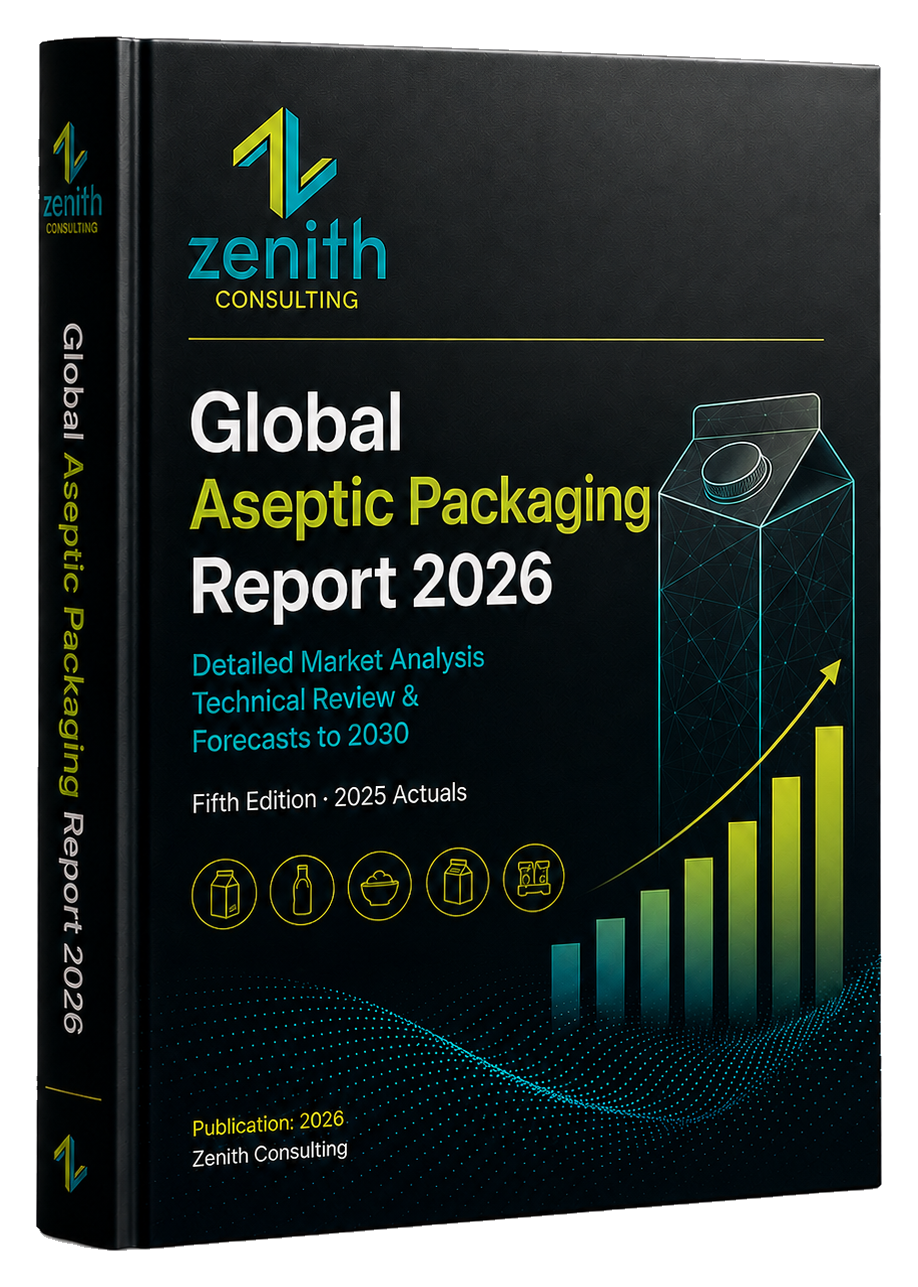
Global Aseptic Packaging Market Report 2026
148.4bn litres and 344bn packs in 2025. Aseptic volumes across dairy, dairy alternatives, beverages and food in 39 markets — 2025 actuals and forecasts to 2030. Buy online and receive it within 24 hours.
More information
Global Cheese Database 2026
Production, imports, exports and consumption for 39 cheese types across 48 countries, with actuals through 2025 and forecasts to 2030. Join the waitlist for early access, pre-launch pricing and a free sample country chapter.
Get early accessStrategic Insights
📊 Analytics & Strategic Insight
Vietnam is building carton material for the region rather than for its own shelves
The decision most in this industry are avoiding:
👉 The region's carton material is already long. Documented capacity is about 62 billion packs a year. Vietnam itself fills 10.4 billion.
👉 Eight billion packs is a share claim. It is far more than Vietnamese growth can absorb by 2028. The volume has to come from somewhere else.
👉 The filler's machine decides the sale. Material that fits an installed roll-fed line opens plants that no new machine could win.
Here's the full context:
→ 2023: Oji Holdings buys IPI, the Italian aseptic carton and filling business.
→ 2024: LamiPak opens Indonesia's first integrated aseptic carton plant at Cikande in Banten.
→ 2025: Tetra Pak inaugurates a second converter line at Binh Duong in Vietnam on 3 July.
→ 2025: Dong Nai approves the Oji project in November at nearly USD 104 million.
→ Most recent: Oji broke ground on 10 October. The plant is rated at up to 8 billion packs a year.
What this means for aseptic fillers, converters and equipment suppliers:
✅ Vietnamese fillers get a second material source. Two converting plants in one country change the price conversation.
✅ Carton buyers in Malaysia and the Philippines gain a nearer supplier. Landed cost sets the carton price in both markets today.
✅ Equipment makers should expect material-led tenders. Oji sells the reel alone or the reel with a filler behind it.
What this means for market decisions:
1️⃣ Vietnam reads as a supply base before it reads as a demand market. National volume grows 3.6% a year to 2030. The new capacity is far larger than that.
2️⃣ Tetra Pak holds the position under attack. Binh Duong serves Vietnam, Malaysia and the Philippines from one site.
3️⃣ An entrant should test machine compatibility first. Count the installed roll-fed lines. Then ask which of them can run a reel from someone else.
The Zenith view:
A USD 110 million plant does not prove that regional carton demand is short. It proves that suppliers expect the installed filling base to open up. One question decides this case. How many roll-fed machines in South East Asia can run a reel from a second supplier? And what would a trial cost the filler?
The data behind this story
📦 Global Aseptic Packaging Market Report 2026
148.4 billion litres and 344 billion packs across 39 markets, split by category, pack type and pack size, with 2025 actuals and forecasts to 2030. A free 40-page sample is on the page.
→ Read the free sample
Evaluating a packaging material market or a converting investment? Zenith helps food and beverage companies assess market size, growth, competitors, pricing and route to market before they invest.
→ Discuss your market
Zenith Consulting
Submit your food & beverage project enquiry.
Share your requirements. If there is a strong fit, we’ll come back with an indicative investment range, project timeline and recommended strategic approach.
Reviewed by Zenith Consulting’s senior food & beverage strategy team.
Related analyses
- Corporate Strategy & Portfolio
Spain Swaps HDPE Milk Bottles For Aseptic PET: 170 Million Litres Left And Only Three Aseptic PET Dairy Lines
Spanish UHT milk in large HDPE bottles fell from 307 million litres in 2020 to 170 million in 2025, and Zenith's model takes it to 88.5 million by 2030. Aseptic PET is taking the volume, and only three aseptic PET dairy lines have been documented in the country.
Read analysis → - Corporate Strategy & Portfolio
US Parmesan Output Jumps 25.9% While Cheddar Slips: Italian Cheese Takes Four In Five Pounds Of Growth
USDA figures published on 5 October show US Parmesan output up 25.9% in August while cheddar fell 0.9%. Italian types have supplied nearly four in every five pounds of US cheese growth so far in 2026.
Read analysis → - Corporate Strategy & Portfolio
China Lists All Five Cheese Tariff Codes For US Imports While EU Cheese Pays Up To 11.7%
China has put all five cheese tariff codes on its list of US goods for lower duty, published with the new US-China Board of Trade on 27 September. EU cheese entering the same market pays anti-subsidy duty of up to 11.7%, and New Zealand still holds 61% of the tonnage.
Read analysis →
Share it with your peers
Pass this analysis to colleagues who track the food and beverage market.
Zenith Market Intel
Need a specific food or beverage market report?
Tell us which category, region or question would be useful for your team.
Sister Publication
Also follow our Water Dispense Market Intelligence
Category analyses, operator briefings, and investor signals across the global water dispense market.