Coca-Cola, PepsiCo and Keurig Dr Pepper Bet on QR-Code Transparency to Get Ahead of MAHA Regulation
Coca-Cola, PepsiCo and Keurig Dr Pepper are putting QR codes on cans and bottles that link to independent safety data on more than 140 ingredients. The voluntary move is a calculated bet: fix the trust problem themselves before Washington writes the rules for them.
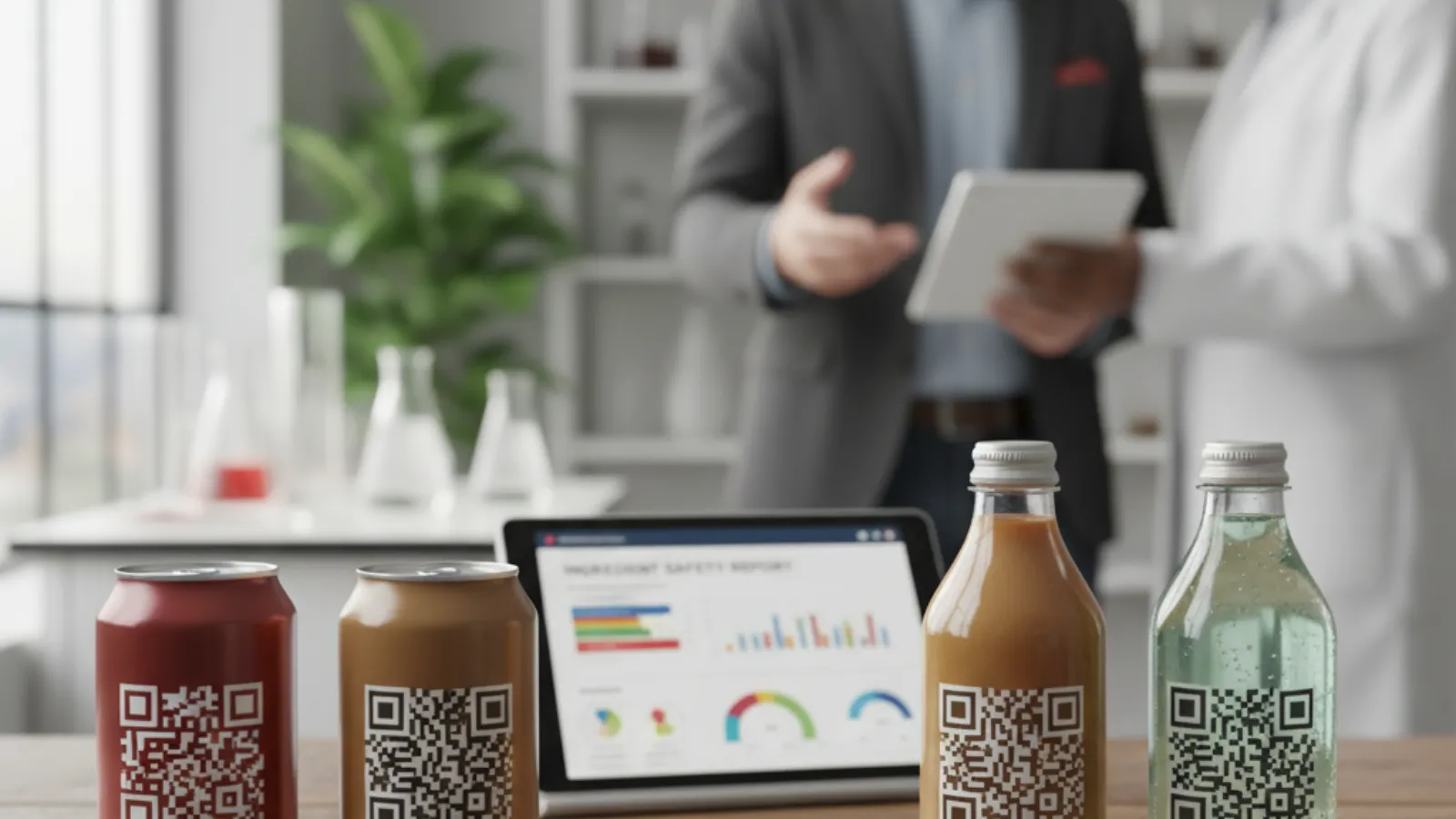
The biggest names in American soft drinks just agreed to tell you exactly what is in the can. Coca-Cola, PepsiCo and Keurig Dr Pepper are rolling out QR codes on bottles and cans that link to safety data on more than 140 ingredients. Scan one, and you reach independent assessments from the US Food and Drug Administration, the European Food Safety Authority and Health Canada. It looks like a transparency project. Read it as a defensive move by an industry under pressure.
What the beverage giants actually announced
On 22 June 2026, American Beverage, the trade body for the US non-alcoholic drinks industry, said its members would expand a shared digital tool called Good to Know. The QR codes route shoppers to GoodToKnowFacts.org, a database that explains what each ingredient does and links to safety reviews from government agencies. The companies started adding the codes in early 2026 and have promised to cover almost their entire US range by the end of 2027. Every major member is part of it, so this is a coordinated build across the whole category rather than a single brand campaign.
Why the industry moved now
The timing is the story. The Make America Healthy Again movement, known as MAHA, has put sugar, additives and ultra-processed food at the center of the health debate. Synthetic dyes are being phased out. Sugar taxes keep spreading, and new ingredient bans arrive every year. Rather than wait for Washington to write new labeling rules, the drinks industry chose to act first. American Beverage framed the launch as proof that the private sector can fix a problem without a federal mandate. In plain terms, the industry would rather set the standard than be handed one.
This playbook is not new
The beverage industry has run this play before. It was the first to put calorie counts on the front of every bottle and can, through its Clear on Calories program. In 2006 it pulled full-calorie drinks from schools, a move it says cut beverage calories in schools by 94%. Each time, voluntary action let the industry shape the rules instead of fighting them later. The QR code is the digital version of the same strategy: give people the information, and take the heat out of the next regulation.
The strategic read
There is a clever piece of design here. A can has almost no room for ingredient detail, and a long list of chemical names scares shoppers more than it informs them. A QR code moves that information off the package and onto a screen the company helps control. The data is real and sourced from regulators, which builds trust. It also lets the brand frame the conversation, explain why an ingredient is there and point to the safety reviews behind it. The pack stays clean. The detail lives one scan away.
There is a catch for everyone else. Once Coca-Cola, PepsiCo and Keurig Dr Pepper make scannable ingredient data the norm, smaller brands face a hard choice. Match the standard or look like you have something to hide. A voluntary move by the three biggest players quietly becomes the price of entry for the whole category.
What it means for operators and investors
For operators, the lesson is that transparency is now a competitive tool, not a compliance chore. The companies that own their ingredient story get to tell it on their terms. For investors, this is a signal about where regulation is heading. When an industry moves this fast on its own, it usually sees mandatory rules coming. Watch which categories copy the beverage model next, and which brands get caught flat-footed when scannable transparency stops being optional. The can just became a screen, and the label just became a conversation.
Global Aseptic Packaging Market Report 2026
148.4bn litres and 344bn packs in 2025. Aseptic volumes across dairy, dairy alternatives, beverages and food in 39 markets — 2025 actuals and forecasts to 2030. Buy online and receive it within 24 hours.
More information
Global Cheese Database 2026
Production, imports, exports and consumption for 39 cheese types across 48 countries, with actuals through 2025 and forecasts to 2030. Join the waitlist for early access, pre-launch pricing and a free sample country chapter.
Get early accessStrategic Insights
📊 Analytics & Strategic Insight
Transparency Is Becoming a Moat, and the Beverage Giants Are Digging It First
The decision most in this industry are avoiding:
👉 Treating transparency as a legal risk instead of a brand asset. Many operators hide ingredient detail because they fear the questions. The drinks giants decided the questions are coming anyway, so they would rather answer them on their own pages than on a regulator's form.
👉 Waiting for a mandate before acting. The companies that move first write the template everyone else has to follow. The ones that wait inherit a standard built around a rival's portfolio, not their own.
👉 Underestimating how fast a voluntary norm becomes a requirement. Once the three biggest players make scannable data normal, retailers and shoppers start expecting it from everyone. Voluntary today is table stakes tomorrow.
Here's the full context:
→ 2006: The US beverage industry voluntarily removes full-calorie drinks from schools, later citing a 94% drop in beverage calories in schools.
→ 2010s: The industry launches Clear on Calories, putting calorie counts on the front of every bottle and can before any rule forced it.
→ 2025: The MAHA agenda pushes additives, sugar and ultra-processed food to the top of the health and policy debate, and synthetic dye phase-outs accelerate.
→ Q1 2026: American Beverage members begin adding Good to Know QR codes to packs, linking to safety data on more than 140 ingredients.
→ Most recent: On 22 June 2026, Coca-Cola, PepsiCo and Keurig Dr Pepper confirm a nationwide expansion, targeting near-full coverage of their US ranges by the end of 2027.
What this means for food and beverage operators and investors:
✅ Own your ingredient story before someone else tells it. Linking to independent safety data lets a brand explain its choices instead of defending them after a headline.
✅ Shared infrastructure favours scale. A common industry database is cheap for giants and a stretch for small brands, so it quietly raises the cost of competing.
✅ Self-regulation is a forecast. When a category acts this fast and this together, mandatory rules are usually close behind, so plan for them now.
3 moves you can make this week:
1️⃣ Audit what your pack hides. List every ingredient a shopper might question, and decide how you would explain each one in plain words.
2️⃣ Build a one-scan answer. Create a simple, sourced ingredient page now, even a basic one, so you are ready when scannable transparency becomes expected.
3️⃣ Map the regulation behind the trend. Track the dye, sugar and labeling rules moving in your main markets, and assume the voluntary standard becomes the legal one.
Take the Next Step
💧 Also covering the water dispense market?
Water dispense is one of the fastest-growing segments in food and beverage. Operator data, revenue benchmarks, and market intelligence across 32 countries.
→ Explore water dispense insights
Zenith Consulting
Submit your food & beverage project enquiry.
Share your requirements. If there is a strong fit, we’ll come back with an indicative investment range, project timeline and recommended strategic approach.
Reviewed by Zenith Consulting’s senior food & beverage strategy team.
Related analyses
- Sustainability, Regulation & Risk
Raw Milk Cheese Warning Label Petition: Parmigiano Reggiano And Roquefort Cannot Be Pasteurised
A draft FDA petition would put a warning label on every raw milk cheese sold in America, imported cheese included. The US took in 251.3 million pounds of cheese in seven months, and the biggest Italian and French names cannot be pasteurised at all.
Read analysis → - Sustainability, Regulation & Risk
Aseptic Bags Face The EU Recycling Test: ABMA Starts A Three-Year Programme Ahead Of PPWR Requirements
Europe's industrial aseptic bag makers have started a three-year project to make the pack recyclable before the PPWR deadline on 1 January 2030. Zenith puts 4,670 million litres of the world's aseptic food in bag-in-box, and 810 million litres of West European aseptic volume rides in the same format.
Read analysis → - M&A, Investment & Valuation
Parmigiano Reggiano Takes On Australian Parmesan: The EU Trade Deal Protected 53 Cheese Names And Left Parmesan Out
The Parmigiano Reggiano Consortium has opened a three-year campaign in Australia, where cheese output runs at 455,000 tonnes a year. Australia agreed to protect 53 EU cheese names, and parmesan is not one of them.
Read analysis →
Share it with your peers
Pass this analysis to colleagues who track the food and beverage market.
Zenith Market Intel
Need a specific food or beverage market report?
Tell us which category, region or question would be useful for your team.
Sister Publication
Also follow our Water Dispense Market Intelligence
Category analyses, operator briefings, and investor signals across the global water dispense market.