Sports And Energy Drinks Reach 39,180 Million Litres, And Aseptic Filling Has Almost None Of It
Sports and energy drinks are the fastest growing group on the world drinks shelf at 39,180 million litres in 2025, up 7.2% a year since 2020. Zenith's Global Aseptic Packaging Market Report 2026 books just 100 million litres of the United States total as aseptic.
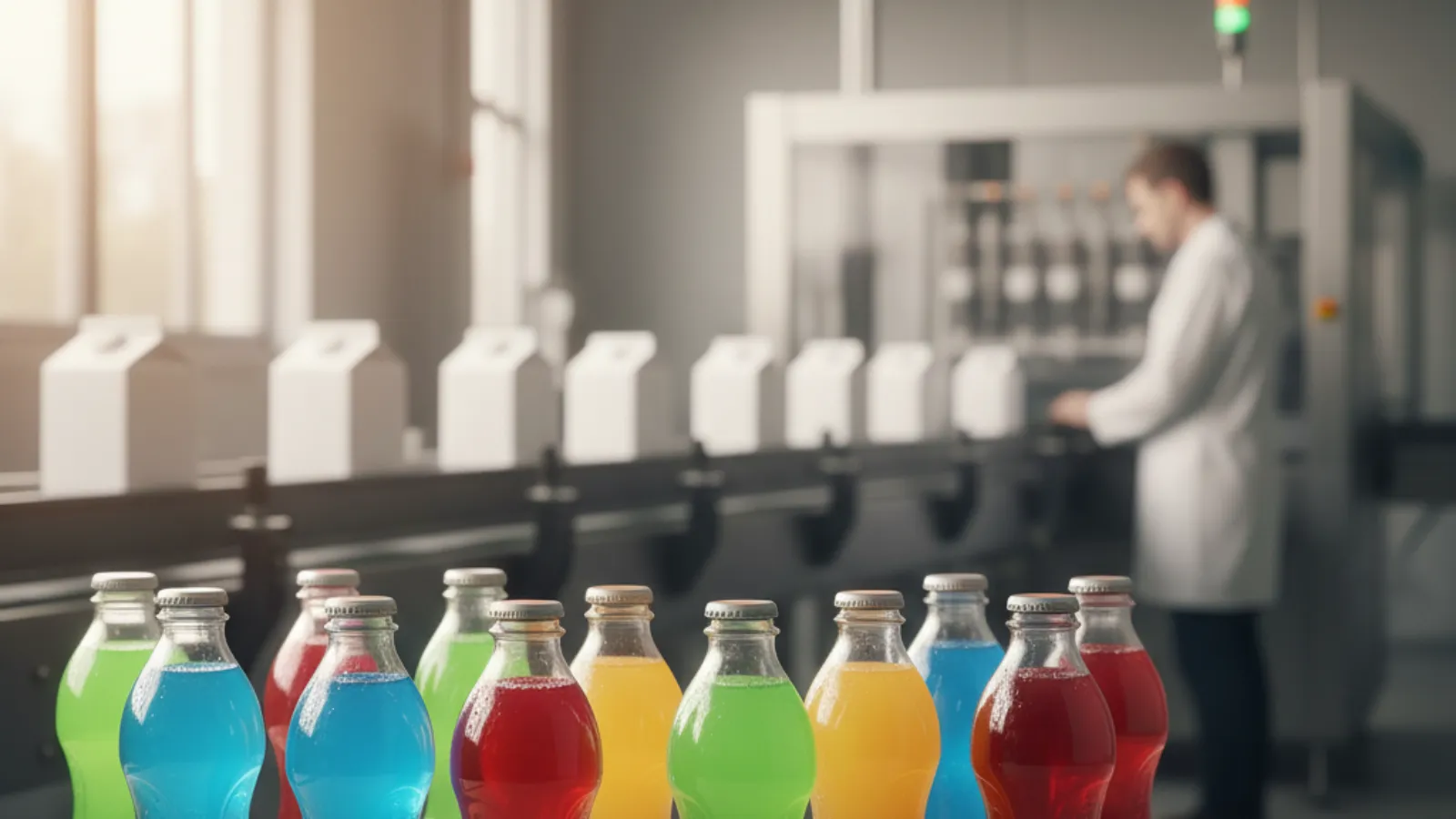
I had sports and energy drinks filed as the obvious next win for aseptic filling. Then I read the United States figure in Zenith's own report. Sports and energy drinks fill 13,203 million litres there. Zenith books 100 million of it as aseptic.
The fastest line on the world drinks shelf
World drinks output reached 166,144 million litres in 2025. Sports and energy drinks took 39,180 million of that. The figure was 27,706 million in 2020, so the rise is 7.2% a year. Nothing else on the world drinks shelf grew at that rate.
RTD tea and coffee is still the biggest group at 56,859 million litres. Juice and nectars are in slow decline at 33,725 million. Juice drinks are flat at 36,380 million. Sports and energy reaches 45,911 million litres by 2030, a slower 3.2% a year.
Aseptic filling grew at less than half the pace
Ambient long-life drinks came to 154,575 million litres in 2025. Aseptic filling took 60,180 million of them. That is a rise of 2.9% a year since 2020. The 2030 figure is 67,299 million. The fastest growing drink and the aseptic route have been moving apart for five years.
The United States is where the gap is clearest
Sports and energy is now the largest drinks group in the United States. Output was 13,203 million litres in 2025, from 10,684 million in 2020. That is a rise of 4.3% a year. The group holds 42.2% of all United States drinks output.
Zenith books 100 million litres of that as aseptic. The prior edition carried 631 million. The figure was cut on positive evidence rather than on absence. A search of the Sidel, Krones, KHS, GEA and Serac reference libraries found no named aseptic sports drink line. The years searched ran from 2018 to 2025. The 100 million is booked with a band of 25 to 250.
Three routes already hold the volume
Gatorade is hot filled in heat-set PET. Powerade and BodyArmor sit inside the Coca-Cola system. Its own supply charter records that Coca-Cola North America owns and manages the hot fill lines. Energy drinks are fizzy and cold filled in cans. Monster outsources most finished goods to third party bottlers and contract packers.
The pattern repeats outside the United States. Mexico filled 1,100 million litres of these drinks in 2025, from 760 million in 2020. None of it is aseptic in any year of the model. Hot fill takes 720 million litres and preservatives 380 million. Brazil filled 800 million litres of the same drinks and none of it is aseptic either.
What aseptic drinks volume actually rests on
Two blocks carry it. The first is juice and nectars in cartons, at 33,725 million litres and falling 0.9% a year. The second is Asian tea and coffee in aseptic PET. China fills 17,950 million litres of aseptic drinks and Asia Pacific 11,528 million.
So the route leans on one shrinking group and one region. The growth sits on a shelf aseptic filling does not serve. In the United States that work sits in cartons for protein and plant based lines.
What this means for the market
The reachable pool for an aseptic drinks line is smaller than the word drinks suggests. Price the groups one by one before pricing the market. Sports and energy is 39,180 million litres of mostly closed volume.
Two things decide the entry case. The first is who owns the filling asset. A hot fill line that is paid for is cheap to keep running. A paid for line is the hardest rival in this market. The second is which drinks cannot take heat or a preservative at all. Protein, dairy based and botanical lines are the honest opening.
This also raises a wider question around how much of a market one filling route can reach. That is one of the areas tracked across the world's aseptic markets in the 2026 research. Our Global Aseptic Packaging Market Report 2026 splits 39 markets by category, pack type and pack size. A free 40 page sample sits on the page.
Global Aseptic Packaging Market Report 2026
148.4bn litres and 344bn packs in 2025. Aseptic volumes across dairy, dairy alternatives, beverages and food in 39 markets — 2025 actuals and forecasts to 2030. Buy online and receive it within 24 hours.
More information
Global Cheese Database 2026
Production, imports, exports and consumption for 39 cheese types across 48 countries, with actuals through 2025 and forecasts to 2030. Join the waitlist for early access, pre-launch pricing and a free sample country chapter.
Get early accessStrategic Insights
📊 Analytics & Strategic Insight
The fastest growing drink in the world sits outside aseptic filling
The decision most in this industry are avoiding:
👉 The gas picks the route before the brand does. A fizzy drink rules out the aseptic carton and most aseptic PET. The pack and the bubbles are one choice.
👉 The lines are already bought. Coca-Cola North America owns and manages its hot fill lines. A switch means scrapping kit that still works.
👉 A band of 25 to 250 million litres is the honest answer. Zenith books 100 million for the United States. Nobody can name the lines.
Here's the full context:
→ 2017: The prior edition booked 631 million litres of United States sports and energy drinks as aseptic.
→ 2020: World output of these drinks stood at 27,706 million litres.
→ 2024: Output reached 37,682 million litres, with aseptic drinks filling at 58,985 million.
→ 2025: The group reached 39,180 million litres, the fastest growth on the world drinks shelf.
→ Most recent: Zenith cut the United States figure to 100 million litres. A supplier search found no named line.
What this means for aseptic fillers, converters and equipment suppliers:
✅ Drinks growth figures oversell the aseptic market. Read the split by group before the headline total. The two move at different speeds.
✅ Co-packers are the entry point in energy drinks. Monster outsources most finished goods to third party bottlers and contract packers. The line gets bought by the packer.
✅ Juice is the base you are standing on. Aseptic drinks volume leans on juice and nectars at 33,725 million litres. That group falls 0.9% a year.
What this means for market decisions:
1️⃣ The reachable drinks pool is a fraction of 39,180 million litres. Size each group on its filling route. A single market total hides the closed part.
2️⃣ Hot fill owners win by doing nothing. Their kit is paid for and their shelf life is good enough. They only move when the kit wears out.
3️⃣ An entrant should size the still, functional shelf first. Protein, dairy based and botanical drinks take heat badly. That is the part a new aseptic line can win.
The Zenith view:
The figures prove that the fastest growing drinks group sits almost wholly outside aseptic filling. They do not prove the group can be won. Growth there slows to 3.2% a year to 2030, and the lines that fill it are paid for. One question decides the case. Which drinks cannot survive heat or a preservative, and who is paying to make them?
The data behind this story
📦 Global Aseptic Packaging Market Report 2026
148.4 billion litres and 344 billion packs across 39 markets, split by category, pack type and pack size, with 2025 actuals and forecasts to 2030. A free 40 page sample is on the page.
→ Read the free sample
Weighing an aseptic line or a new drinks market? Zenith helps food and beverage companies assess market size, growth, competitors, pricing and route to market before they invest.
→ Discuss your market
Zenith Consulting
Submit your food & beverage project enquiry.
Share your requirements. If there is a strong fit, we’ll come back with an indicative investment range, project timeline and recommended strategic approach.
Reviewed by Zenith Consulting’s senior food & beverage strategy team.
Related analyses
- Health, Nutrition & Functional
Dreher Adds A 12,000 Carton An Hour Elopak Aseptic Line Into A German Juice Market Down To 1,915 Million Litres
Dreher Group has started filling its own aseptic cartons at Stockach on an Elopak E-PS120AH running up to 12,000 cartons an hour. It joins a German market where Zenith's own data shows aseptic volume falling 2.6% a year and juices and nectars down to 1,915 million litres.
Read analysis → - Corporate Strategy & Portfolio
FDA Clears Salt Substitutes In 41 Cheese Standards, And The Last Sodium Push Moved The Median Just 3%
The FDA has opened 41 cheese standards to salt substitutes, with the rule effective 14 December 2026. The cheese part can still be objected to until 12 November, and the last US sodium push moved the median by 3%.
Read analysis → - Corporate Strategy & Portfolio
Large PET Fills 25,940 Million Litres Of Aseptic Drinks Against 14,500 Million In Family Cartons
Zenith's Global Aseptic Packaging Market Report 2026 puts large PET at 25,940 million litres of aseptic drinks in 2025, against 14,500 million litres in family cartons. Cartons still lead on pack count, which turns the format split into a pack size split.
Read analysis →
Share it with your peers
Pass this analysis to colleagues who track the food and beverage market.
Zenith Market Intel
Need a specific food or beverage market report?
Tell us which category, region or question would be useful for your team.
Sister Publication
Also follow our Water Dispense Market Intelligence
Category analyses, operator briefings, and investor signals across the global water dispense market.