FDA Clears Salt Substitutes In 41 Cheese Standards, And The Last Sodium Push Moved The Median Just 3%
The FDA has opened 41 cheese standards to salt substitutes, with the rule effective 14 December 2026. The cheese part can still be objected to until 12 November, and the last US sodium push moved the median by 3%.
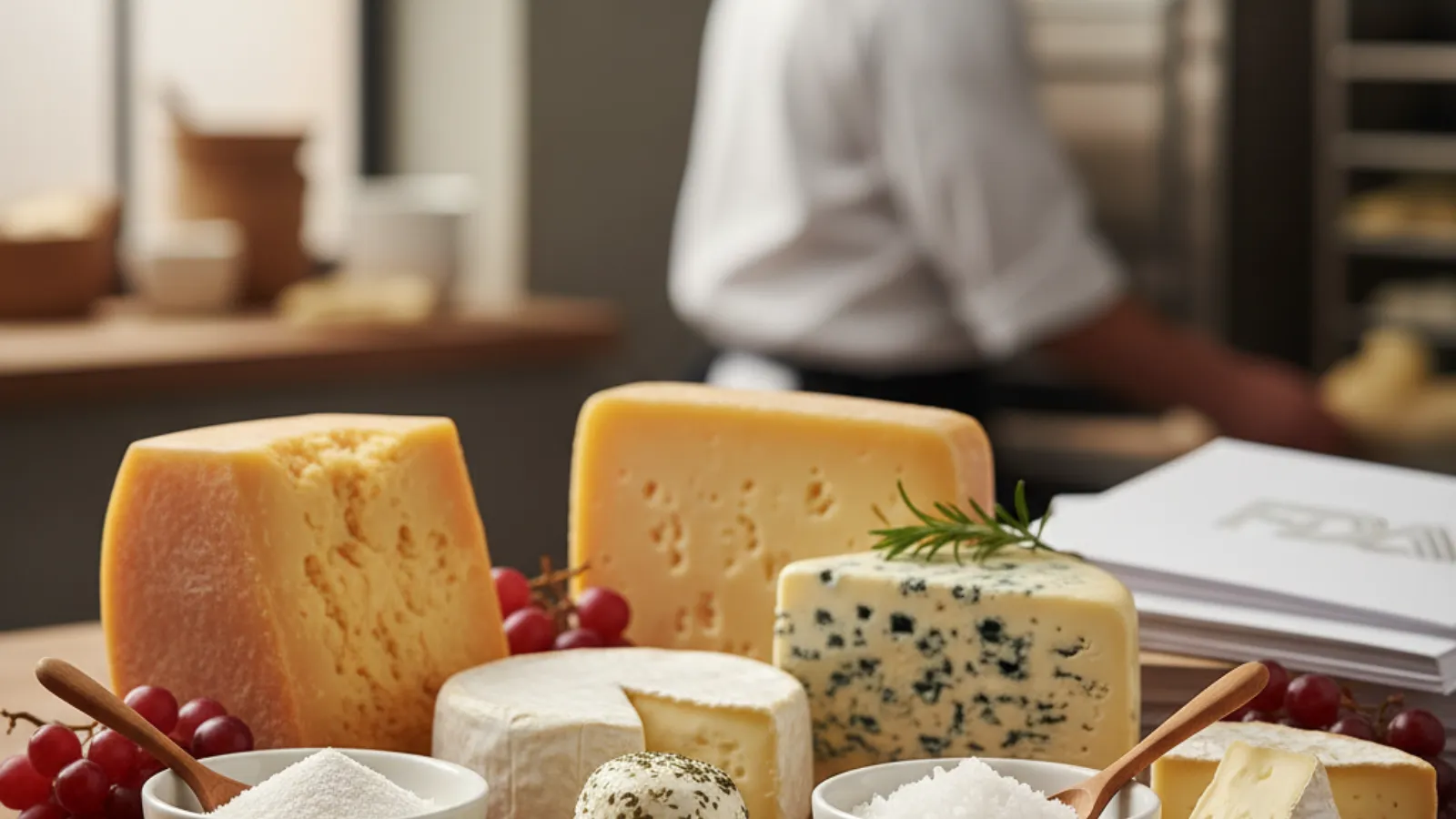
The one thing I keep putting to cheese makers is who pays for a lower salt recipe. The FDA has now opened 41 cheese standards to salt substitutes. The agency says the rule carries no cost, because nothing in it is required.
What the rule changes
The final rule appeared on 13 October 2026 at 91 FR 65040. It amends 80 US food standards directly and reaches 59 more through cross references. That makes 139 standards that now allow a salt substitute. The rule takes effect on 14 December 2026.
A salt substitute is now defined by what it does. The new text sits at 21 CFR 130.30 and names no single ingredient. There is no minimum swap and no sodium target. A maker may replace all of the added salt or none of it.
Cheese carries most of the change
Of the 80 standards amended directly, 41 sit in part 133, the cheese part. That makes cheese the most affected food group in the rule. The list runs from cheddar and colby to mozzarella and parmesan. Process cheese, process cheese food and process cheese spread are all on it. Gouda is absent from the table as published.
Scale sits behind that count. USDA put August cheese output at 1,245 million pounds, up 1.4% on the year. Italian types rose 3.7% to 541 million pounds. American types fell 0.9% to 477 million pounds. The rule reaches almost every cheese vat in the country.
One date can still move it
The cheese and milk standards sit under a different part of the law. They alone carry a formal objection and hearing window. That window shuts at 11:59pm Eastern on 12 November 2026. The rest of the rule simply starts on 14 December.
So a trade body or a maker can still contest the cheese changes. Nothing of the kind applies to bread or to condiments. Cheese is the only part of this rule that is still open.
The last sodium push moved little
The FDA set sodium targets in 2021 and called early progress encouraging. A team from CSPI, Kaiser Permanente and Johns Hopkins re-read the agency's own data for JAMA. The median change across food groups was a fall of 3%. Eleven groups rose by 25% or more. Permission on its own has a weak record here.
IDFA welcomed the rule on the day it appeared. Michael Dykes said it gives dairy makers more room to cut sodium while holding texture and shelf life. He also asked the agency to finish measuring the 2021 targets before it acts again. The trade asked for room rather than a further target.
The saving shows up on the pack
The rule adds no new label rule and allows no shortcut. A substitute must be declared by its own common name. Potassium chloride has to appear as potassium chloride or potassium salt. The agency refused "salt substitute" as a shared name.
So a cheese that cuts sodium gains a longer ingredient line. Allergens in a substitute must be declared too. A buyer reading a cleaner nutrition panel will also read a busier ingredient line.
What this means for the market
The rule lifts a ceiling and creates no demand. The FDA said plainly that it holds no information on how many foods will change their recipes. That is the honest position. Volume moves when a buyer writes a sodium line into a written spec.
Three things decide whether any of this is worth money. The first is the type, because salt controls moisture and ripening differently in cheddar and in mozzarella. The second is the channel, because school food buyers and caterers hold sodium limits that shops do not. The third is the market, because a US recipe change still has to clear cheese rules abroad.
One rule change rarely moves a world market by itself. What matters is whether lower salt recipes appear across countries and across cheese types. Our Global Cheese Database 2026 is being built market by market on that basis. It covers 39 cheese types across 48 countries in tonnes.
Global Aseptic Packaging Market Report 2026
148.4bn litres and 344bn packs in 2025. Aseptic volumes across dairy, dairy alternatives, beverages and food in 39 markets — 2025 actuals and forecasts to 2030. Buy online and receive it within 24 hours.
More information
Global Cheese Database 2026
Production, imports, exports and consumption for 39 cheese types across 48 countries, with actuals through 2025 and forecasts to 2030. Join the waitlist for early access, pre-launch pricing and a free sample country chapter.
Get early accessStrategic Insights
📊 Analytics & Strategic Insight
A permission is not a market, and cheese is the test case
The decision most in this industry are avoiding:
👉 The count of 41 measures permissions rather than products. The FDA holds no estimate of how many foods will change. It said so in the rule itself.
👉 Salt does work in cheese that no panel can see. It holds moisture and paces ripening. A swap is a vat trial before it is a recipe.
👉 The 12 November window is the only lever left. Cheese and milk can still be contested. Every other food in the rule simply starts on 14 December.
Here's the full context:
→ 2021: The FDA issued its first sodium targets and asked the trade to meet them by 2024.
→ 2022: The agency opened docket FDA-2022-N-2226 on salt substitutes in standardised foods.
→ 2024: The FDA called early progress encouraging and put out a second, lower set of targets.
→ 2025: A JAMA re-read of that data put the median change across food groups at a fall of 3%.
→ Most recent: The final rule opened 41 cheese standards on 13 October. IDFA welcomed it the same day.
What this means for cheese producers, traders and buyers:
✅ American types have the most to gain and the least room. Output fell 0.9% in August. A sodium claim is one of the few ways to lift a flat line.
✅ Private label is where a swap will land first. Shops set the spec and own the brand risk. A maker carries the vat trial either way.
✅ Exporters gain nothing from this on its own. A US recipe still has to meet cheese rules in each buying market. Those rules did not move.
What this means for market decisions:
1️⃣ The addressable part of this is a channel, rather than the whole country. School food and health catering hold hard sodium limits. Retail shelves mostly do not.
2️⃣ Substitute suppliers win before cheese makers do. Potassium salt volume rises on any take up. Cheese volume rises only where a buyer pays for it.
3️⃣ An entrant should size the types rather than the rule. Cheddar, mozzarella and process cheese each carry a different salt job. Each one will take up at a different pace.
The Zenith view:
The rule proves that US cheese standards can move. It also shows that cheese is the food group most exposed when they do. It proves nothing about volume. The last round of targets moved the median by 3% while eleven food groups went the other way. The case turns on one thing. Which cheese types have a buyer who will pay for a lower salt pack?
The data behind this story
🧀 Global Cheese Database 2026
Production, imports, exports and consumption for 39 cheese types across 48 countries, in tonnes, with actuals to 2025 and forecasts to 2030. The 2026 edition is being built market by market. Waitlist members get the pre-launch price and a free sample country chapter.
→ Join the waitlist
Weighing a lower sodium cheese range or a new cheese market? Zenith helps food and beverage companies assess market size, growth, competitors, pricing and route to market before they invest.
→ Discuss your market
Zenith Consulting
Submit your food & beverage project enquiry.
Share your requirements. If there is a strong fit, we’ll come back with an indicative investment range, project timeline and recommended strategic approach.
Reviewed by Zenith Consulting’s senior food & beverage strategy team.
Related analyses
- Corporate Strategy & Portfolio
Large PET Fills 25,940 Million Litres Of Aseptic Drinks Against 14,500 Million In Family Cartons
Zenith's Global Aseptic Packaging Market Report 2026 puts large PET at 25,940 million litres of aseptic drinks in 2025, against 14,500 million litres in family cartons. Cartons still lead on pack count, which turns the format split into a pack size split.
Read analysis → - Corporate Strategy & Portfolio
Cheese Kingdom Shuts 84 Ukrainian Shops As Cheese Imports Hit 28,300 Tonnes, More Than Three Times Exports
Ukraine's largest specialist cheese chain has stopped trading at all 84 of its shops after 13 years. Cheese imports reached 28,300 tonnes in the seven months to July, more than three times exports, and European cheese now sits in ordinary supermarkets.
Read analysis → - Corporate Strategy & Portfolio
Krones Opens Its Largest Plant Outside Germany In China: An Aseptic Laboratory Lands As Local Line Builders Take The Orders
Krones has opened a second plant at Taicang, giving it 74,000 square metres of buildings and its largest site outside Germany. It arrives in a market where Zenith puts aseptic drinks at 17,950 million litres and local line builders hold more than 30 aseptic lines on order.
Read analysis →
Share it with your peers
Pass this analysis to colleagues who track the food and beverage market.
Zenith Market Intel
Need a specific food or beverage market report?
Tell us which category, region or question would be useful for your team.
Sister Publication
Also follow our Water Dispense Market Intelligence
Category analyses, operator briefings, and investor signals across the global water dispense market.