863 New Ingredients, 10 FDA Reviews: What the New GRAS Rule Means for Food and Drink Makers
Since 2000, food and chemical firms cleared 863 new substances for US food themselves and asked the FDA to review only ten. A proposed rule ends that, and the real cost sits in finding files most firms never held.
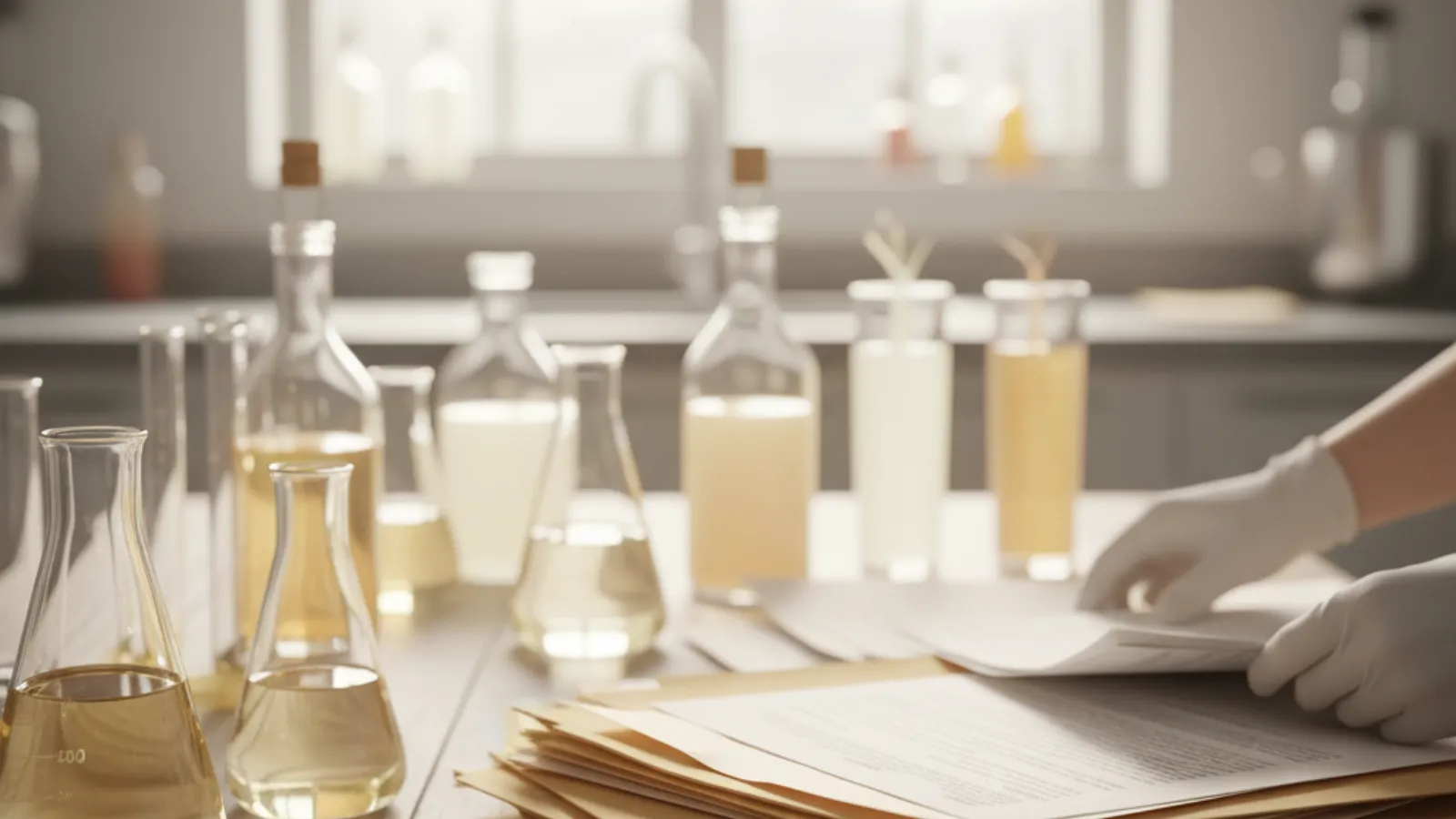
Since 2000, food and chemical firms have asked the FDA to clear a new food substance ten times. Over those same years they cleared 863 substances themselves. That gap is the whole reason a new rule landed this week.
On 10 August the FDA proposed a new rule. Firms would have to tell the agency each time they judge a food substance safe. The route is called GRAS, short for Generally Recognized as Safe. It has sat in US law since 1958. Since 1997 a firm has been free to hire its own panel and reach its own view. It could then start selling without telling the FDA.
What the rule does, and what it leaves alone
The rule makes the notice a must. It does not put the review first. A firm can still ship while the FDA reads the file. The agency gets 45 days to accept a filing and 180 days to reach a view. Firms that already went to the FDA and got a "no questions" letter are exempt.
The second part matters more. Things already on sale under a self-made GRAS call have to be filed too. The FDA calls this a time-limited streamlined pathway. In plain words: you get a window to hand over files on products you have sold for years. Then the window shuts.
The search costs more than the filing
Most food and drink firms do not hold the safety file for what is in their own products. The file sits with the supplier who sold them the flavour, the gum, the colour or the enzyme. Some of those suppliers have since been bought, merged or wound up. Some panels met twenty years ago and left thin notes.
That work is a hunt through supplier files, old specs and contract terms. No one wrote those terms with this rule in mind. Lawyers are the small part of the bill. Firms that keep a live ingredient register will file in weeks. Firms that do not will spend a year finding out what they sell.
The load is not spread evenly. A cola or a plain yogurt rests on things cleared decades ago. The risk sits in the fast-growing aisles: energy, protein, gut health and the whole functional shelf. New plant extracts, sweeteners and live cultures came in there on self-made calls. Those are the same aisles the big groups have spent two years buying into.
Why the biggest makers want more rules, not fewer
New York's legislature passed its own mandatory GRAS scheme in April and it awaits the governor's signature. New Jersey and Pennsylvania have bills in play. More than 100 state bills have gone after GRAS.
For a firm that ships to all fifty states, one federal rule is cheaper than three state ones. Americans for Ingredient Transparency is a group set up by large makers to fight state ingredient bills. On Monday it pushed Congress to write one national standard into law. The trade body for additive makers went further. It said a public notice rule "largely formalizes what responsible ingredient makers already do".
The public list is the change that lasts
Safety files will go into a public online list. Once your file is public, the FDA is not the only reader. Rivals read it. Retailers writing their own banned lists read it. Lawyers bringing claims read it. State law officers read it. A gap in your file becomes a fact anyone can point at.
The FDA also said it will weigh a missing notice. That comes into play when it picks which substances to re-open. A paperwork miss becomes a flag on your file.
The rule is open for comment for 120 days. The FDA admits its power to demand these notices is not settled law. The agency is asking Congress to put the duty in statute so a court cannot undo it. Either way the list gets built. Buyers, retailers and lenders will ask for your entry long before any court rules. Firms that treat the next four months as a filing job will be late. Firms that treat it as an audit of what they actually sell will be ready.

Global Aseptic Packaging Market Report 2026
148.4bn litres and 344bn packs in 2025. Aseptic volumes across dairy, dairy alternatives, beverages and food in 39 markets — 2025 actuals and forecasts to 2030. Buy online and receive it within 24 hours.
More information
Global Cheese Database 2026
Production, imports, exports and consumption for 39 cheese types across 48 countries, with actuals through 2025 and forecasts to 2030. Join the waitlist for early access, pre-launch pricing and a free sample country chapter.
Get early accessStrategic Insights
📊 Analytics & Strategic Insight
The ingredient file just became a balance sheet item
The decision most in this industry are avoiding:
👉 You are buying files you have never read. In deals for wellness and functional brands, the ingredient file is seldom opened before signing. A public list turns that into a priced risk.
👉 Your co-packer paperwork is now your problem. Firms hand out the making but keep the label. If a filing is missing, the brand on the pack answers for it.
👉 The rule rewards the dull end of the shelf. Old, plain recipes need almost no work. The high-growth new stuff carries the whole load.
Here's the full context:
→ 1958: Congress writes the GRAS exemption, letting firms judge some substances safe on their own.
→ 1997: The FDA sets up a notice route firms can use if they wish. It says it can no longer judge each one itself.
→ Since 2000: Firms clear 863 substances through GRAS and ask the FDA to approve only ten.
→ April 2026: New York's legislature passes the first state mandatory GRAS scheme. More than 100 state bills have gone after GRAS.
→ Most recent: On 10 August 2026 the FDA proposes making notices a must. It adds a public list and a short window for what is on sale now.
What this means for food and beverage operators and investors:
✅ Filing readiness becomes a deal question. Ask a target for its ingredient register. If there is no register, the price should carry the cost of building one.
✅ Supplier terms need a new line. Put the right to demand the safety file in every supply contract you sign. Name a deadline.
✅ The public list is a free map of your rivals. Read what they file. It shows you what they are building before the product reaches a shelf.
3 moves you can make this week:
1️⃣ Pull one brand and count. Take your fastest-growing line. List each added substance and mark who holds the safety file. The blanks are your work list.
2️⃣ Write to your five biggest suppliers. Ask one question. For each thing you sell us, do you hold a safety file, and did you send it to the FDA?
3️⃣ Add a line to the next deal paper. One page on filing status, per brand. It costs an hour and it changes what you are willing to pay.
Take the Next Step
🧭 Got a project in mind?
Send us your thoughts and project requirements and our consultants will build you a project plan.
→ Start a project enquiry
Zenith Consulting
Submit your food & beverage project enquiry.
Share your requirements. If there is a strong fit, we’ll come back with an indicative investment range, project timeline and recommended strategic approach.
Reviewed by Zenith Consulting’s senior food & beverage strategy team.
Related analyses
- Health, Nutrition & Functional
Dreher Adds A 12,000 Carton An Hour Elopak Aseptic Line Into A German Juice Market Down To 1,915 Million Litres
Dreher Group has started filling its own aseptic cartons at Stockach on an Elopak E-PS120AH running up to 12,000 cartons an hour. It joins a German market where Zenith's own data shows aseptic volume falling 2.6% a year and juices and nectars down to 1,915 million litres.
Read analysis → - Health, Nutrition & Functional
SIG Targets 85% Paper In Aseptic Cartons: Aluminium-Free Still Has Enormous Room To Scale
SIG says it is working towards 85% paper content in its aseptic cartons, with polymer and fibre barriers doing the work aluminium used to do. Set against the 344 billion aseptic packs filled worldwide in 2025, the aluminium-free carton is still a rounding error.
Read analysis → - Health, Nutrition & Functional
Saputo Creates A Dairy Ingredients Division: Cheese Plants Are Now Judged On Their Whey
Saputo has split dairy ingredients into its own division under Steve Douglas. US cheese output rose 2.1% in July while whey protein concentrate output fell 2.3%.
Read analysis →
Share it with your peers
Pass this analysis to colleagues who track the food and beverage market.
Zenith Market Intel
Need a specific food or beverage market report?
Tell us which category, region or question would be useful for your team.
Sister Publication
Also follow our Water Dispense Market Intelligence
Category analyses, operator briefings, and investor signals across the global water dispense market.