Rokiškio Sūris Buys A Lithuanian Cheese Plant Running At 20% To Make More Mozzarella For Export
Rokiškio Sūris has agreed to buy the cheese making assets of Pieno Žvaigždės' Pasvalys plant, which has run at up to 20% of capacity. The deal would lift its cheese output to 60,000 tonnes or more, with mozzarella for export.
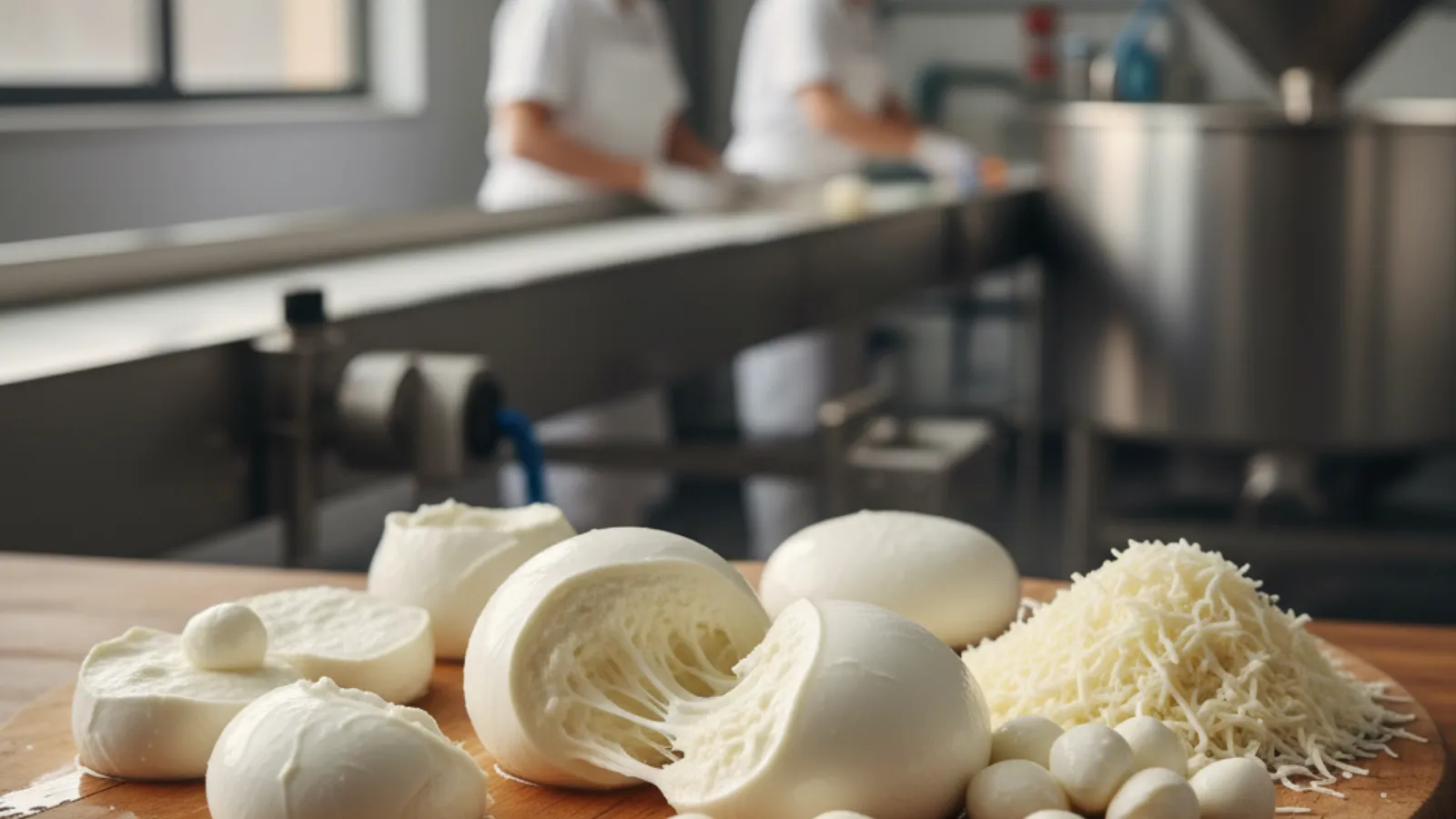
If this were my cheese business, I would sell the vats and keep the brand. That is close to what Pieno Žvaigždės has just done. Rokiškio Sūris has agreed to buy the cheese making part of its rival's Pasvalys plant in Lithuania. The plant has been running at up to 20% of its capacity. My view is that the buyer has bought cheap tonnes, and the seller has bought itself a lighter business.
The deal splits one cheese plant in two
Rokiškio Sūris signed the asset purchase on 10 November, through a new subsidiary. It is buying land, buildings and cheese making equipment at Pasvalys. Pieno Žvaigždės keeps the ripening rooms and the packing lines. It also keeps its brands and its supply and customer contracts. The price has not been disclosed. The deal still needs the Lithuanian Competition Council, if a review is required. After closing, Rokiškio Sūris will make cheese for Pieno Žvaigždės as a service. Here is why that split works for both sides. Fresh curd leaves the vat as a young cheese. It then needs weeks or months in a ripening room. The firm that owns the ripening room and the label decides what the shopper sees. Pieno Žvaigždės keeps the part of the chain that carries its name. About 300 staff move to the buyer and stay on the same site.
Rokiškio Sūris buys tonnes it could not build fast
Rokiškio Sūris makes about 40,000 tonnes of cheese a year. With Pasvalys, it expects to make 60,000 tonnes or more. That would lift its cheese output by more than half. The company plans to invest at the site. It took no bank loans for the purchase. The mechanism is simple arithmetic on fixed costs. A cheese plant pays for staff, energy and upkeep whether the vats are full or not. At a fifth of capacity, each tonne carries a heavy share of those costs. Fill the vats, and the cost per tonne falls fast. Buying a working plant is also quicker than building one. A new cheese plant takes years of planning and building before the first vat runs. Pasvalys already has the staff, the drains and the permits. Chief executive Dalius Trumpa said the group can run the plant much better than it runs today.
Export cheese needs volume to earn
Rokiškio Sūris sells more than 90% of its cheese abroad. Italy takes about half of those exports. Most of the Pasvalys output will be exported too. That matters because export cheese sells close to the going market price. A brand on a Lithuanian shelf can hold its price for a while. A tonne of cheese shipped to an Italian buyer cannot. So an exporter earns by running full plants at low cost. The first half of this year showed the pressure. Group revenue fell 18.2% to 173.2 million euros. Net profit fell by a smaller 6.1%, to 9.66 million euros. Here is why profit held up better than sales. Cheese prices fell, but the milk bill fell as well. A cheese exporter's margin sits in the gap between milk cost and cheese price. Volume is how it turns a thin margin into real money.
Mozzarella turns milk into cash faster
Rokiškio Sūris says Pasvalys will focus on cheese that needs little ripening, such as mozzarella. That choice changes the cash cycle. A hard cheese can sit in a store for months before it is sold. The milk is paid for long before the cheese earns anything. Mozzarella is sold within days or weeks of making. That happens because fresh cheese is eaten young and does not keep. A mozzarella line needs far less money tied up in stock. It also carries less price risk. The cheese is sold close to the milk price it was made from. Demand points the same way. Zenith's Global Cheese Database 2026 puts fresh cheese, mozzarella included, at over a third of consumption across its 48 markets. It is also the fastest growing category, at about 2.4% a year to 2030. Pizza chains and food makers buy it on steady contracts.
Milk is the limit on the plan
The harder part of the plan is milk. A cheese like mozzarella or gouda takes about 10 kg of milk for each kg made. So an extra 20,000 tonnes of cheese needs about 200,000 tonnes of milk a year. Lithuania is short of milk at farm level. In April, LRT reported that about 5,000 farms had left dairy in a year. Farm milk prices had fallen below what farmers say it costs to produce. The reason is simple. When milk pays less than it costs, small farms sell their cows. Lithuanian dairies already import around 50,000 tonnes of milk a month. It comes from Latvia, Estonia and Poland. The deal papers do not say why Pasvalys ran so far below capacity. A thin milk supply is the likely reason. Rokiškio Sūris will need to buy milk across borders to fill it.
The Zenith read: fewer, fuller Baltic cheese plants
We think this deal starts a wider pattern in Baltic cheese. Plants will run fuller, and there will be fewer of them. Brand owners will keep the ripening room and the label. Volume makers will run the vats for several clients. The evidence is the gap in this deal. A plant at a fifth of capacity is worth more to an exporter than to a brand owner. That gap exists because the two earn their money in different places. We expect Rokiškio Sūris to reach about 60,000 tonnes over two to three years rather than at once. The milk has to be found first. The figure that would change our call is Lithuanian farm milk supply. If farm exits slow and local milk recovers, Pasvalys fills faster. If imports have to keep rising, the plan slows and costs more.
This also raises a wider question about where Europe makes its export mozzarella. Idle vats in one country can become cheap tonnes for buyers in another. That is one of the areas we are tracking across cheese markets in our 2026 research. Our Global Cheese Database 2026 follows production, trade and consumption by cheese type, in tonnes.
Going deeper on this market? See the Global Cheese Database 2026.
Global Water Database 2026
Packaged, bulk, flavoured and premium water in 86 markets, to 2030.
More information
Global Cheese Database 2026
Production, imports, exports and consumption for 39 cheese types across 48 countries, with actuals through 2025 and forecasts to 2030. Buy one market or any five with a single-user, departmental or corporate licence, or get your free database and report sample first.
Get your free database & report sampleStrategic Insights
📊 Analytics & Strategic Insight
The Pasvalys deal splits the cheese chain at the vat
The decision most in this industry are avoiding:
👉 The seller may have the better half of this deal. Pieno Žvaigždės grew first half sales by only 2.6%. Its net profit still rose about four times, to 9.7 million euros.
👉 Toll making turns a rival into a supplier. Pieno Žvaigždės will rely on Rokiškio Sūris for young cheese. Its ripening rooms run only as well as vats it no longer owns.
👉 Pasvalys mozzarella will compete on cost alone. It has no brand in Italy to lean on. Cheap milk is the only edge it can bring.
Here's the full context:
→ 2025: Lithuanian farm milk pays more than 40 cents a litre in the autumn.
→ Early 2026: Farm prices fall by about a third, and dairies import milk from Latvia, Estonia and Poland.
→ First half 2026: Rokiškio Sūris revenue falls 18.2%.
→ 10 November: Rokiškio Sūris signs to buy the Pasvalys cheese making assets.
→ Most recent: The buyer plans to invest at Pasvalys. It expects output of 60,000 tonnes or more.
What this means for cheese producers, traders and buyers:
✅ The Italian mozzarella buyer should test a Baltic supply contract. A plant filling idle vats will want long orders to plan its milk.
✅ The Baltic milk buyer should expect stronger bidding for farm milk. A plant that needs more milk will pay to win it from rival plants.
✅ A cheese brand owner with a half empty plant should price a split like this one. Selling the vats and buying back young cheese can free cash for the brand.
What this means for market decisions:
1️⃣ Fresh cheese is where the growth sits. Zenith expects processed cheese to grow under 1% a year to 2030.
2️⃣ Scale now beats brand in export cheese. The exporter with the fullest plants sets the price others must match.
3️⃣ Buying idle vats is quicker than building. An entrant into Baltic cheese should look for plants running well below capacity.
The Zenith view:
This proves a Baltic cheese exporter sees more value in volume than a brand owner does. It does not prove the milk exists to fill Pasvalys. The figure that settles it is Rokiškio Sūris cheese output for 2027. Output well above 45,000 tonnes would show the milk was found.
The data behind this story
🧀 Global Cheese Database 2026
Production, imports, exports and consumption for 39 cheese types across 48 countries, in tonnes, with actuals to 2025 and forecasts to 2030. Country workbook plus market insights dossier, delivered by Akos Petri, with a free sample country chapter on the page.
→ See the database
Weighing a cheese plant purchase or a move into mozzarella? Zenith helps food and beverage companies assess market size, growth, competitors, pricing and route to market before they invest.
→ Discuss your market
Zenith Consulting
Submit your food & beverage project enquiry.
Share your requirements. If there is a strong fit, we’ll come back with an indicative investment range, project timeline and recommended strategic approach.
Reviewed by Zenith Consulting’s senior food & beverage strategy team.
Our market reports
All reports and databases Available now
Global Aseptic Packaging Market Report 2026
39 markets, 2025 actuals and forecasts to 2030 by category, region and pack type.
View report Available now
Global Cheese Database 2026
48 markets and 39 cheese types: production, trade and consumption to 2030.
View report Available now
UK Water Drinks Reports 2026
Plain, flavoured and functional water in the UK: companies, brands, own label and forecasts to 2030.
View report- Available now
Global Water Database 2026
Packaged, bulk, flavoured and premium water in 86 markets, to 2030.
View report  Available now
Global Premium Bottled Water Report 2026
Premium water volume, value and brands, with six country deep dives.
View report Available now
Global Water Dispense Market Reports 2026
Coolers, dispensers and operators across 35+ markets, with forecasts to 2030.
View report- Free tool
Cheese Market Sizer
Size any of 48 cheese markets: 2025 consumption, kg per person, your market share and headroom.
Open free tool
Related analyses
- Market & Category Growth
US Cheese Warning Labels Move Closer: Bongards Adds 180 Million Pounds Of Process Cheese Anyway
A US Senate committee has advanced a bill that would put a front-of-pack warning on whole milk, all cheese and most yogurt. Bongards is still spending $135 million on 180 million pounds more process cheese, and the channel split explains why.
Read analysis → - M&A, Investment & Valuation
No Concessions, No Retreat: What the EU Commission's Arla-DMK Ruling Means for European Dairy
Today is the EU Commission's deadline to decide on the Arla-DMK merger — a €19 billion deal that would create Europe's largest dairy cooperative. No remedies were offered, German farmers are fighting it, and the outcome sets the terms for cooperative dairy consolidation across the bloc.
Read analysis → - Health, Nutrition & Functional
Cheese Gets $3.76 Billion Of A $15 Billion US Dairy Build-Out While Milk And Cream Take $5.63 Billion
United States dairy firms are building more than $15 billion of new plant capacity across 23 states. Cheese holds $3.76 billion of it, and milk and cream have overtaken cheese at $5.63 billion.
Read analysis →
Share it with your peers
Pass this analysis to colleagues who track the food and beverage market.
Zenith Market Intel
Need a specific food or beverage market report?
Tell us which category, region or question would be useful for your team.
Sister Publication
Also follow our Water Dispense Market Intelligence
Category analyses, operator briefings, and investor signals across the global water dispense market.